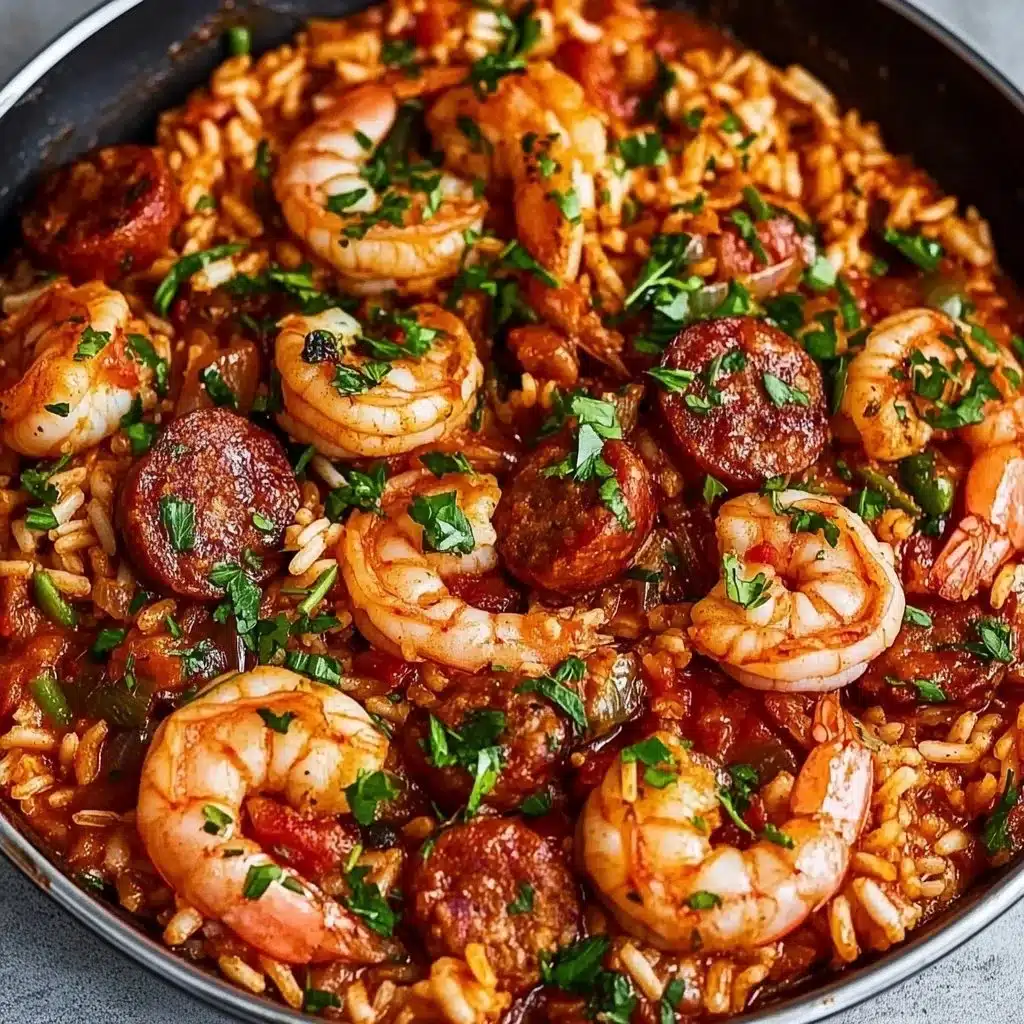
The pan hisses the moment the sausage hits the oil. Steam rises in soft curls from the pot, and the smell of garlic and pepper fills the small kitchen. My daughter presses her nose to the counter to see what is cooking, and my son announces he is hungry again, which feels like both an apology and a promise. This is how Jambalaya finds us most nights: a little hungry, a little chaotic, and utterly comforting.
I make this skillet version when I need a warm, full meal that comes together fast. The colors change as I stir. The bright red of the tomatoes, the green of the onions, and the golden brown edges of sausage and chicken tell me we are getting close. It is a dish that fills the room and the table, and the kids always find the shrimp first. Cooking this way brings a kind of easy joy back into a busy life.
Why Jambalaya Works for Busy Families
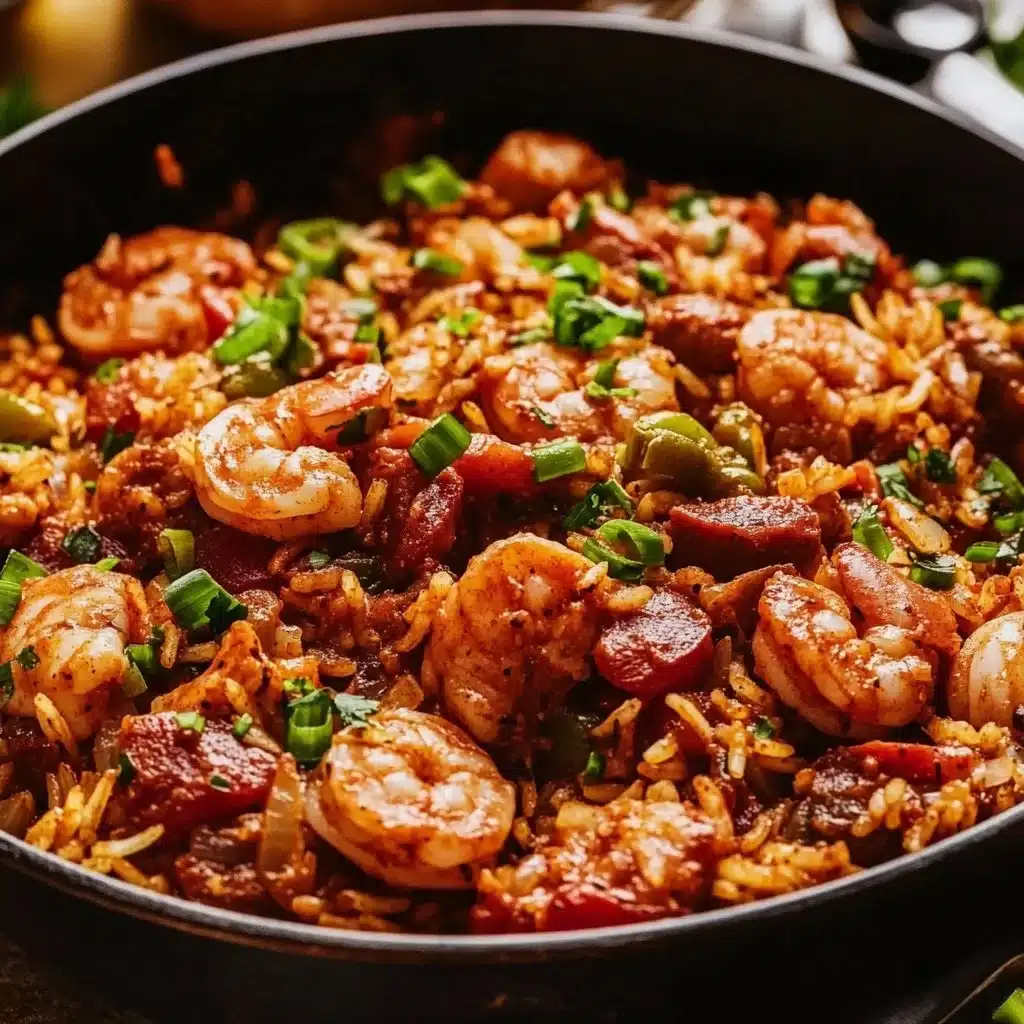
Jambalaya is honest food. It is one pot, loud with flavor, and forgiving if you need to swap one ingredient for another. For a family of four in a small New York apartment, that matters. I can pull everything together in less than an hour. I can chat with my kids about their day while the rice simmers. I can add whatever is in the fridge and still end up with something familiar and warm.
Discover More Smart Kitchen Tips
Love simple, stress-free meals? Explore our favorite shortcuts, kitchen tricks, and time-saving ideas in our full Kitchen Hacks guide →
This version blends Creole spice with weeknight practicality. It is hearty, but not heavy. It gives me protein, veggies, and carbs all in one pan. When my neighbors drop by unexpectedly, I move chairs closer and ladle out bowls straight from the pot. The warm steam and the gentle clink of spoons make people slow down. That is the real magic of Jambalaya in my home. It brings us together without fuss and makes weeknights feel like something to look forward to.
How to Make Jambalaya
“Every time I stir this pot, it smells just like Sunday at home.”
The kitchen hums as the oil blooms with spice. Sizzling meat and softening vegetables create a base of smell that feels like a hug. The rice soaks up that broth and becomes creamy, each grain separate but full of flavor. When I add the shrimp at the end, the heat turns sweet and ocean-fresh. The colors brighten. The sound of the spoon scraping the bottom is the sound of dinner arriving.
I like to start with the sausage. It browns quickly and leaves behind little bits that caramelize and taste like home. After the meat is set aside, the onions and peppers go in, and the house fills with a savory promise. Add the garlic last so it does not burn. When the tomatoes and broth go in, the pot sings bubbles and steam rising like a small celebration. Once it’s ready, the shrimp goes in for a short, confident cook. From there, a sprinkle of green onion and we are ready to eat.
Ingredients You’ll Need
1 pound chicken, diced
1 pound sausage, sliced
1 pound shrimp, peeled and deveined
1 bell pepper, chopped
1 onion, chopped
2 celery stalks, chopped
4 cloves garlic, minced
2 cups long grain rice
4 cups chicken broth
1 can diced tomatoes
2 teaspoons Cajun seasoning
1 teaspoon salt
1/2 teaspoon black pepper
2 tablespoons olive oil
Chopped green onions for garnish
A few side notes from my pantry: use a sturdy smoked sausage if you can for extra depth. If you have fresh herbs like parsley or basil, a handful at the end lifts the dish. I keep good canned tomatoes in the cupboard and a jar of Cajun seasoning on the shelf. If you are watching salt, reduce the added salt slightly and taste before serving.
Step-by-Step Directions
- In a large pot, heat olive oil over medium heat.
- Add chicken and sausage, cooking until browned.
- Add onion, bell pepper, celery, and garlic; sauté until tender.
- Stir in rice, broth, tomatoes, Cajun seasoning, salt, and pepper.
- Bring to a boil, then reduce heat, cover, and simmer for about 20 minutes.
- Add shrimp in the last 5 minutes of cooking.
- Fluff with a fork and garnish with green onions before serving.
Tip: Brown the meat well. Those golden edges add deep flavor. Watch the garlic and add it after the veggies begin to soften. Stir the rice so it is well coated in liquid and spices. If the rice seems dry before it is done, add a splash more broth or water and keep the lid on. When you add shrimp, it cooks very fast. Five minutes is often enough; you want it pink and tender, not rubbery.
A few practical notes while you cook: use a heavy-bottom pot or a wide Dutch oven to prevent sticking. Keep a wooden spoon handy to scrape up any browned bits from the bottom. If you prefer more heat, add a pinch of cayenne or an extra teaspoon of Cajun seasoning. For a creamier final texture, let the pot sit off the heat for five minutes with the lid on before fluffing.
Serving Jambalaya at the Family Table
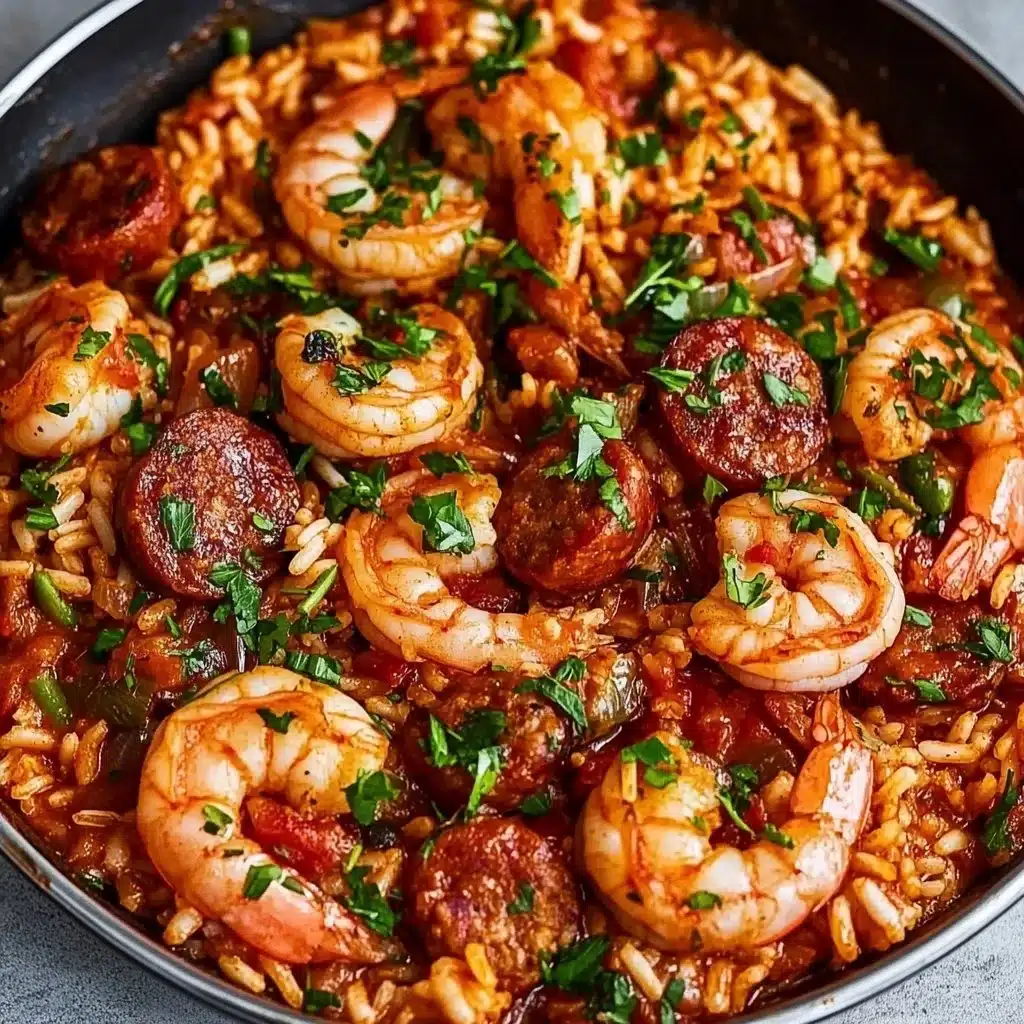
We eat Jambalaya in bowls for a simple, cozy feel. I serve it straight from the pot to keep the kitchen mess small. The kids like to sprinkle green onions or a dash of hot sauce over their bowls, and my husband often adds a wedge of lemon. There is steam and bright color on the table. Someone always asks for seconds, and plates come back cleaner than I expect.
I like to set out a small bowl of pickled vegetables or a simple green salad for contrast. A crusty loaf of bread or buttered corn on the side is a good step for hungry hands. The table talk is easy because the meal is warm and filling. We share stories about the day while reaching for bread and passing the pot. The clink of spoons and the soft laughter are as much part of the meal as the food.
Pair it with something light when you want balance. A crisp green salad with lemon vinaigrette refreshes the palate. If you are serving adults who enjoy wine, go for a chilled white like Sauvignon Blanc or a light red with low tannin. For a true family night, keep drinks simple a pitcher of iced tea or cold water with lemon.
Storing and Reheating Jambalaya
Leftovers are one of the best things about this recipe. The flavors deepen overnight and the spices calm down in a friendly way. Store cooled Jambalaya in an airtight container in the fridge for up to four days.
To freeze, portion into meal-sized containers and label them with the date. Frozen Jambalaya keeps well for up to three months. Thaw it overnight in the fridge before reheating.
To reheat on the stove, add a splash of broth or water to loosen the rice. Heat over medium-low, stirring gently until warm. In the microwave, cover loosely and heat in one-minute bursts, stirring between each burst. If the rice seems dry, add a teaspoon of water at a time until it softens. For crisp edges and a slightly new texture, heat a skillet with a little oil and pan-fry the leftover Jambalaya for a few minutes until the bottom gets golden.
Freezer tip: if you freeze without the shrimp, you can add fresh shrimp when you reheat for best texture. Shrimp can get rubbery if frozen and reheated more than once.
Quick Tips from My Kitchen
- Swap smartly. If you do not have sausage, use smoky turkey sausage or extra diced chicken. It still works.
- Layer your flavors. Brown the meat, then cook the veggies, and add garlic last to avoid burning. Those steps build depth.
- Keep a jar of Cajun seasoning. It saves time and keeps the spice mix balanced. Add more gradually so you do not overpower the dish.
- Watch your rice. Long grain rice is forgiving, but if you use short grain, reduce the liquid slightly.
- Finish with fresh brightness. A squeeze of lemon or a handful of herbs at the end makes the whole dish sing.
These are things I have learned after many pans and many hungry nights. They are small moves that save time and lift the whole meal.
Variations on Jambalaya
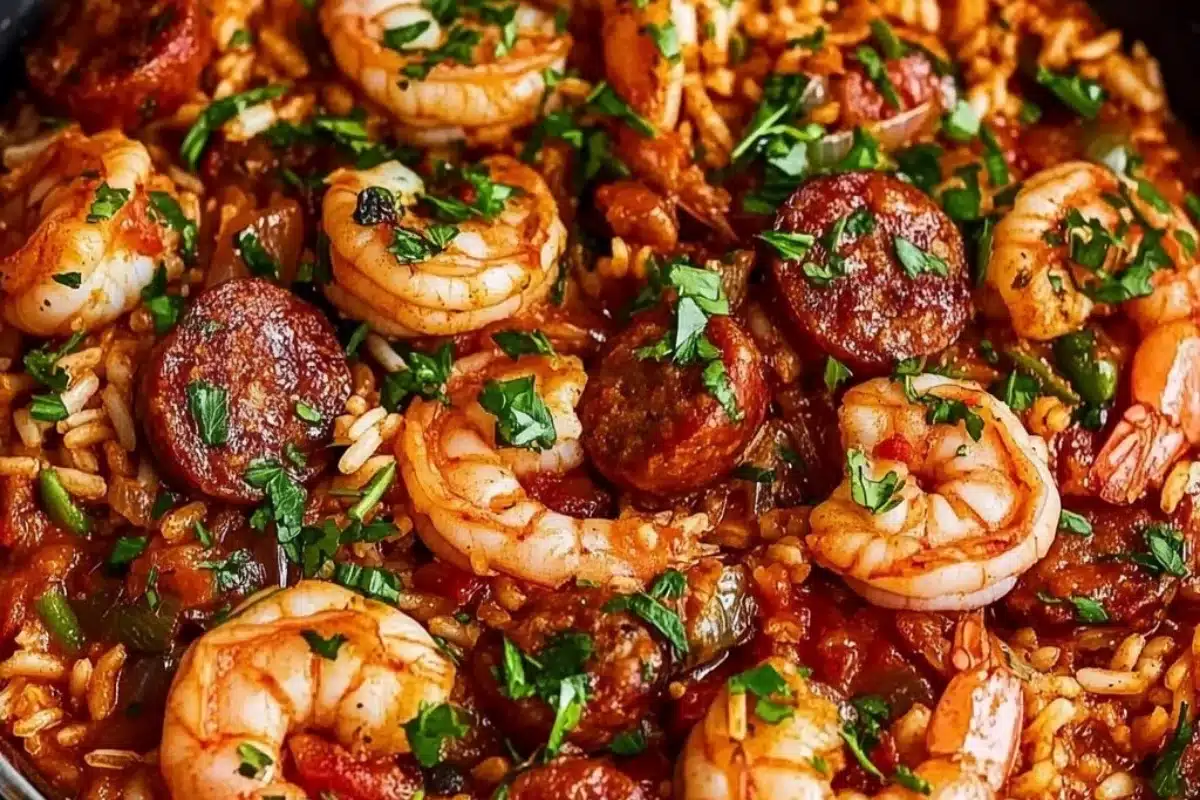
This recipe is a canvas. Here are ways I change it up based on what I have and who I am cooking for.
- Vegetarian twist: skip all the meat and add a can of black beans plus extra mushrooms for a meaty texture. Use vegetable broth instead of chicken broth. Finish with a little smoked paprika to add depth.
- Low-carb option: swap rice for riced cauliflower. Cook it last for just a few minutes so it keeps a bit of texture. Add the shrimp right at the end.
- Extra-healthy: increase the vegetables add chopped zucchini and a cup of spinach at the end. They wilt into the pot and add color and vitamins.
- Southern classic: use andouille sausage and add a bay leaf and a splash of Worcestershire sauce for an authentic touch.
- Kid-friendly mild version: reduce Cajun seasoning and add a dash of smoked paprika for flavor without too much heat. Serve with apple slices to balance the spice.
Try making a big batch for a small party. Add smoked fish or clams for a coastal feel. The dish is flexible, forgiving, and fun to experiment with. Once you get the basic rhythm, you can tailor it to suit your week.
FAQs About Jambalaya
Can I make this recipe ahead of time?
Yes. I often prep it in the morning before the girls wake up, then finish it right before dinner. You can mix the meat and veg ahead and store them in the fridge, then cook the rice and combine later.
What is the best rice to use?
Long grain rice works best here. It keeps separate grains and absorbs the broth well. If you use short grain rice, check the liquid and cook time. Brown rice needs more time and liquid.
Can I use frozen shrimp?
Yes. Thaw it in the fridge before adding, or add it frozen in the last 8 to 10 minutes, but watch closely so it does not overcook.
How spicy will this be?
The heat level depends on the Cajun seasoning. Start with two teaspoons and taste before serving. You can always add hot sauce at the table for those who like more heat.
Can I make this in a slow cooker or Instant Pot?
You can. For a slow cooker, brown the meat and sauté the veggies first, then combine everything and cook on low until the rice is tender. For Instant Pot, use the sauté function for browning, then pressure cook the rice with the broth for about five minutes and quick release, adding shrimp afterward.
A Final Thought
Cooking this Weeknight Creole Jambalaya Skillet has become a small ritual in our home. It is the kind of dish that asks for conversation and gives back warmth. On nights when my schedule is tight and my energy is low, this one-pot meal still makes the family gather. The colors, the scent, the little bits of browned flavor all remind me why I cook: to share, to nourish, and to slow down together.
I am grateful for the little kitchen moments. For the kids who taste spices with brave faces, for the neighbor who drops by and leaves with a full container, and for nights when food becomes a bridge between a hard day and a quiet evening. Keep the process simple. Let the pot do the work. And remember that a few small steps browning the meat, tasting as you go, adding fresh herbs at the end make a world of difference.
Conclusion
If you want a recipe that is quick, family friendly, and forgiving, this skillet jambalaya is a good place to start. For another simple, one-pan approach and different flavor notes, I also like the Easy One Pan Jambalaya – Tastes Better from Scratch recipe for its straightforward method. If you want to read a classic take and the history behind the dish, check out Jambalaya: Chuck’s recipe – The Gumbo Pages for context and tradition.
Thank you for letting me share this recipe. I hope it fills your table and gives you a warm, easy meal that brings people together. Keep stirring, keep tasting, and enjoy the small comfort of a home-cooked pot.
Print
Weeknight Creole Jambalaya Skillet
- Total Time: 45 minutes
- Yield: 4 servings
- Diet: Paleo
Description
A comforting one-pot Jambalaya that’s quick and packed with flavor, perfect for busy families.
Ingredients
- 1 pound chicken, diced
- 1 pound sausage, sliced
- 1 pound shrimp, peeled and deveined
- 1 bell pepper, chopped
- 1 onion, chopped
- 2 celery stalks, chopped
- 4 cloves garlic, minced
- 2 cups long grain rice
- 4 cups chicken broth
- 1 can diced tomatoes
- 2 teaspoons Cajun seasoning
- 1 teaspoon salt
- 1/2 teaspoon black pepper
- 2 tablespoons olive oil
- Chopped green onions for garnish
Instructions
- Heat olive oil in a large pot over medium heat.
- Add chicken and sausage, cooking until browned.
- Add onion, bell pepper, celery, and garlic; sauté until tender.
- Stir in rice, broth, tomatoes, Cajun seasoning, salt, and pepper.
- Bring to a boil, then reduce heat, cover, and simmer for about 20 minutes.
- Add shrimp in the last 5 minutes of cooking.
- Fluff with a fork and garnish with green onions before serving.
Notes
For enhanced flavor, brown the meat well and watch the garlic to avoid burning. Adjust salt for lower sodium.
- Prep Time: 15 minutes
- Cook Time: 30 minutes
- Category: Main Course
- Method: Stovetop
- Cuisine: Creole