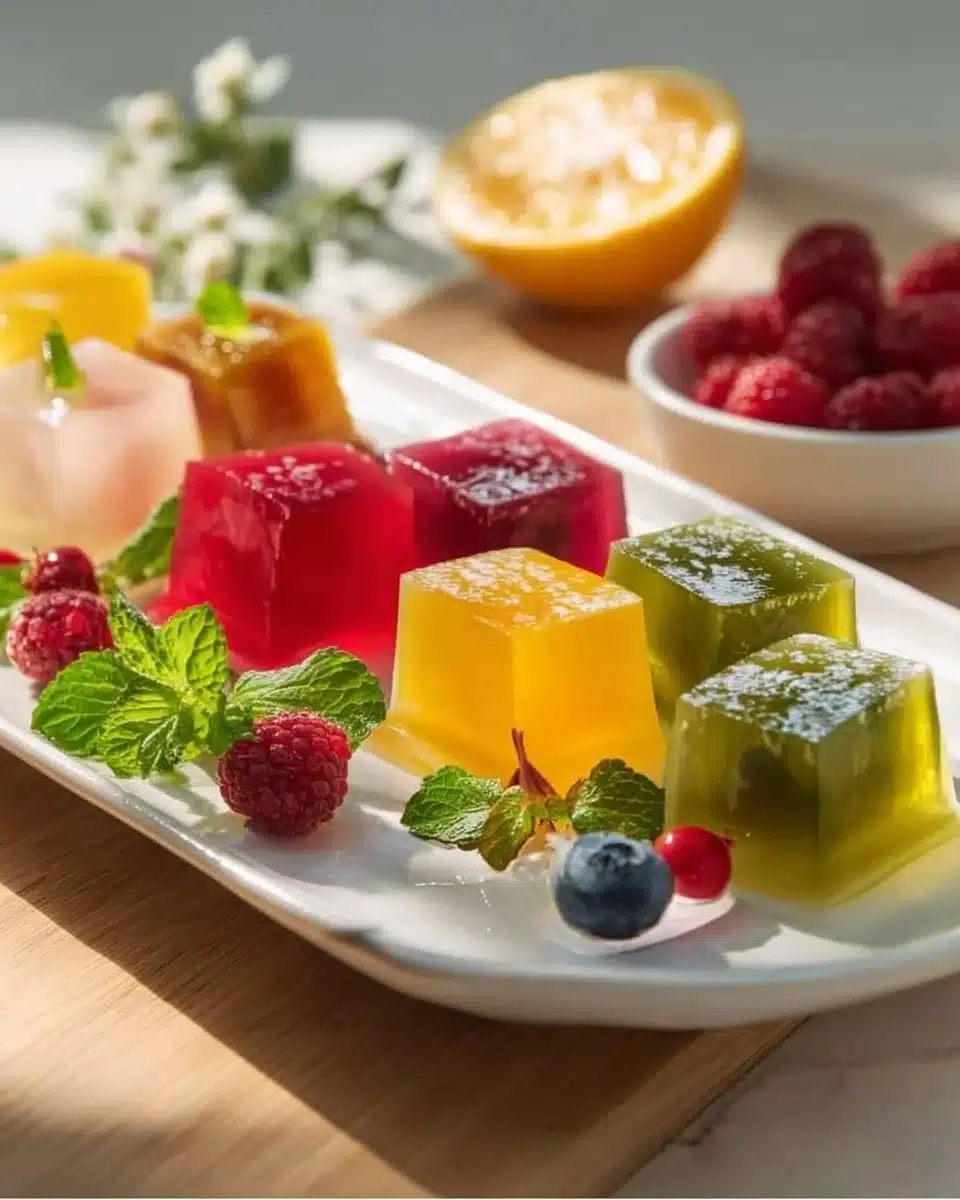
The kitchen smells like lemon and warm sugar. Pots clink on the stove. I can hear the radiator click on and the city sounds drift through the window. My youngest is at the table, drawing little faces on a napkin while the eldest practices spelling with a spoon. In this small pause between work and homework, I reach for a jar of chilled, wobbly gelatin cubes. They are simple. They are bright. They are a tiny, joyful thing that feels like an apology to the day and an invitation to slow down. That is the heart of Homemade Gelatin Cubes: A Practical Recipe Guide in my Brooklyn kitchen.
Why Make This Homemade Gelatin Cubes: A Practical Recipe Guide
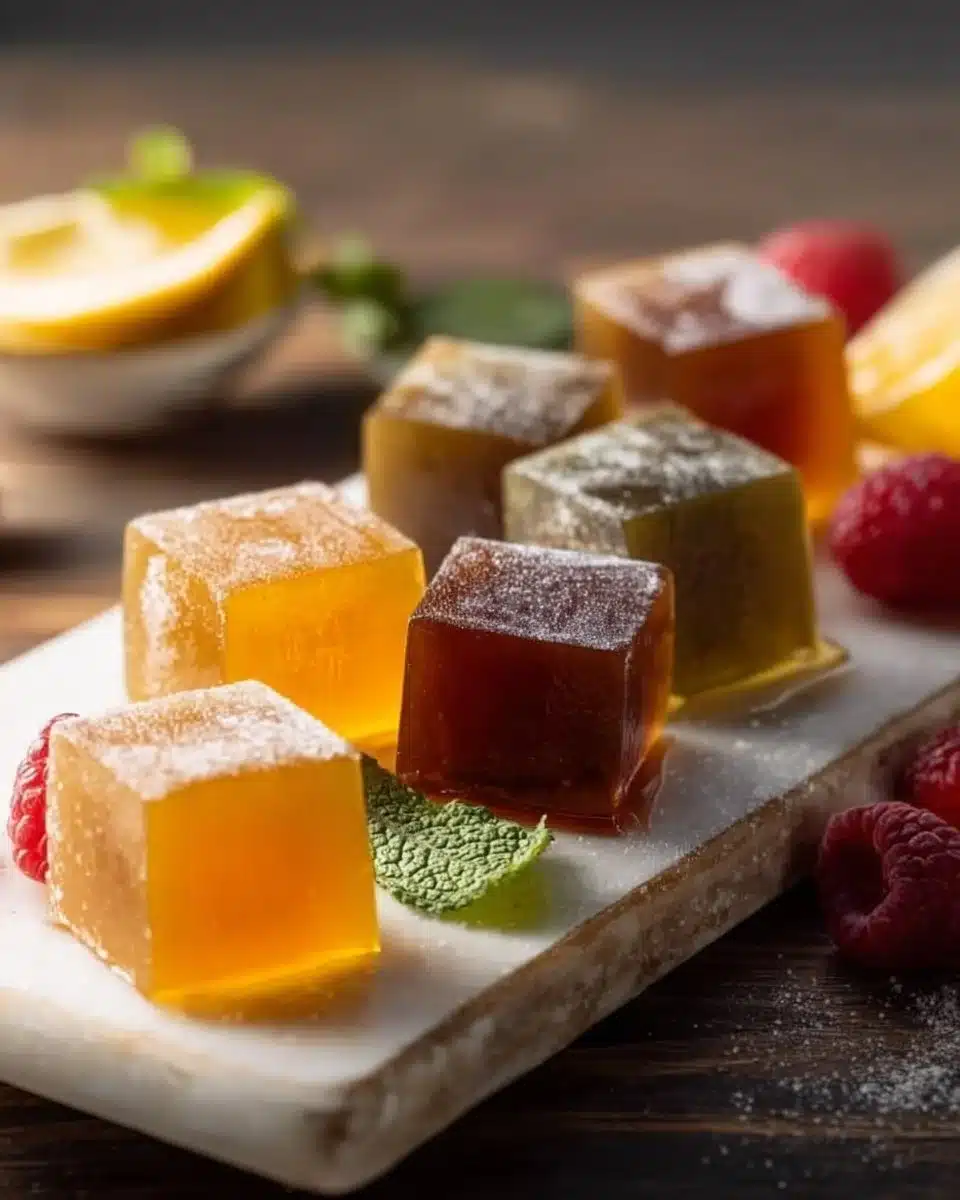
I started making gelatin cubes the winter my husband worked late nights and the kids came home with urgent, small demands. One wanted a snack. The other wanted something to tuck into a lunchbox. I had gelatin in the pantry and a worn silicone mold that had survived many moves. From there, it became a habit. Homemade gelatin cubes are flexible, quick to make, and easy to portion. They fit neatly into school lunches, sit well next to a bowl of fruit, and can be a calming ritual before bedtime.
This recipe works for busy families because it asks for very little of you and gives a lot in return. You can make a batch in the morning and have them ready by dinnertime. They calm little tummies before dinner and help manage hunger between meals. They are less messy than pudding, more grown-up than a juice box, and kinder on the sugar than many store-bought snacks.
I call this practical because it suits real life. No special skills, no long prep. You can be precise if you like, or gentle and forgiving. You can flavor them with herbal tea, add a splash of citrus, or sweeten lightly. Over time, the kids learned to pop one before a piano lesson or carry a small jar to the playground. We found they also soothe nerves—my daughter once ate a few to settle after a skinned knee, while my son used them as a reward for finishing his homework.
Nutritionally, gelatin offers protein and can support joint and skin health as a simple source of collagen. It is not a miracle cure. It is, however, a wholesome ingredient that lets you control sugar and additives. For families trying to make small, sustainable swaps away from processed snacks, homemade gelatin cubes are an easy win.
How to Make Homemade Gelatin Cubes: A Practical Recipe Guide
“Every time I stir this pot, it smells just like Sunday at home.”
Make the kitchen cozy before you begin. Fill a kettle or saucepan with water to heat. Lay out a small bowl, a whisk, and a mold or shallow dish. The process is quiet and quick. You will notice the gelatin bloom into a tender sponge and then melt into a glossy, clear liquid. The aroma of lemon will lift the room. The color can be pale and inviting, or bright if you add fruit juice or tea. Once it cools a little, it catches the light and looks almost jewel-like.
You do not need a lot of tools. A measuring spoon, a heatproof cup, a whisk, and containers are enough. I often use little jam jars because they travel well and feel friendly on the table. Silicone molds also make cute shapes that children love. Watch how the mixture settles into the molds like glass. Meanwhile, you can set the timer, prepare a small bowl of berries, or fold school papers. The whole thing takes less than 10 minutes of active time and a couple of hours to chill.
Ingredients You’ll Need
1 tablespoon grass-fed unflavored gelatin
½ cup cold filtered water
½ cup hot water
1 teaspoon lemon juice
Use the cold water for blooming. The hot water dissolves the bloomed gelatin. Use grass-fed gelatin if you can. It tends to have a consistent texture and a mild flavor. If you like a brighter tang, increase the lemon by another half teaspoon. If you prefer a sweeter snack, add a little honey, maple syrup, or your favorite sweetener—start with a teaspoon and taste.
Personal side notes: I like to use filtered water for clarity and flavor. If fresh lemon is not available, bottled lemon juice will work, but fresh gives a cleaner aroma. If you want color, swap some hot water for a mild fruit tea or a light fruit juice. For a softer bite, reduce gelatin by a quarter teaspoon; for a firmer cube, add another half teaspoon.
Step-by-Step Directions
- Bloom the gelatin.
Pour the cold water into a bowl. Sprinkle the gelatin evenly across the surface and let it sit for 5–10 minutes.
Tip: Sprinkle slowly so it does not clump. - Dissolve.
Add the hot (not boiling) water and stir until the gelatin fully dissolves.
Tip: Stir until creamy and glossy. Use a whisk for a smooth finish. - Flavor.
Mix in lemon juice and sweetener if using.
Tip: Taste carefully. The mix will taste stronger before it sets. - Set.
Pour the mixture into jars, silicone molds, or a shallow dish.
Tip: Use a spout cup to pour neatly into small jars. - Chill.
Refrigerate for 2–3 hours, or until firm.
Tip: Let the mixture sit undisturbed. Avoid opening the door too often. - Use.
Cut into cubes and enjoy 15–30 minutes before meals to help manage hunger and cravings.
Tip: Use a small, sharp knife for clean edges. If you use jars, dip the jar in warm water for a few seconds to loosen the cube.
Each step moves the recipe forward without fuss. Blooming gives gelatin its strength. Dissolving ensures no grainy bits. Flavoring is where you make it yours. Setting and chilling are patience tasks, but they are quiet and kind duties. If time runs short, I sometimes make them the night before. They hold well and free me for the busy morning.
Bringing Homemade Gelatin Cubes: A Practical Recipe Guide to Life
If you like, let me walk you through a typical evening when I make these. The kids are doing homework. I boil water while folding laundry. I bloom the gelatin and add hot water. The house smells faintly of lemon and laundry. I pour into small jars and squeeze them into the fridge. Later, when homework tears and piano practice wind down, I hand each child a jar. The cubes feel like a small celebration—a reward that is also nourishing.
Use silicone molds to make animal shapes for a birthday tea or small cubes for a quick snack. From there, you can add berries on the side, layer yogurt between shapes, or tuck a few into a bento box. Once it is ready, the gelatin glows in the jars like tiny glass blocks. You will find the kids gravitate towards colors, the grown-ups to the simplicity. It is a good way to make snack time feel gentle and intentional.
Serving Homemade Gelatin Cubes: A Practical Recipe Guide at the Family Table
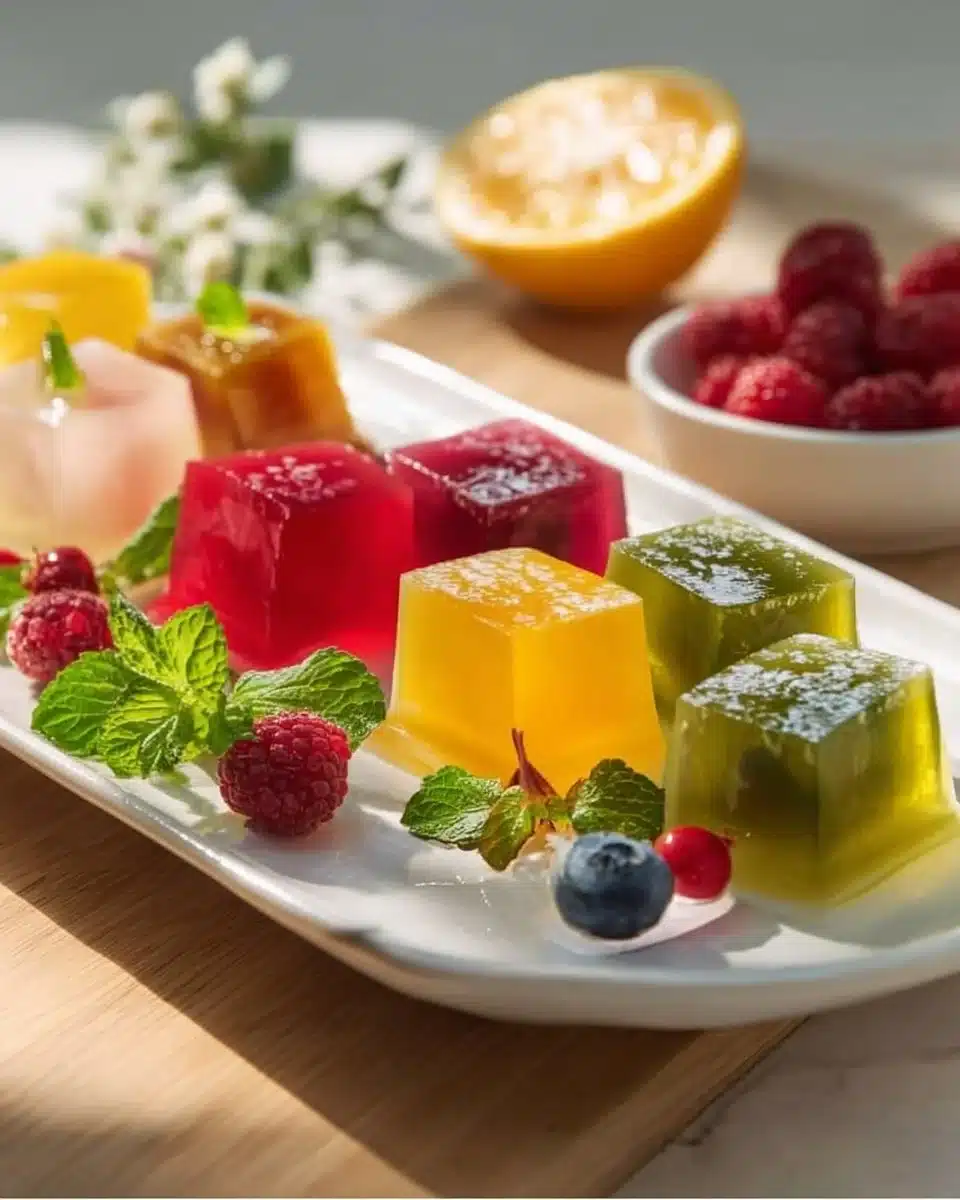
At our table, serving is always a little theatrical. I like to open the fridge with the sense of a reveal. The kids crowd close to see the little jars. We set them on a small tray. The youngest taps the lid impatiently. The eldest arranges the cubes on a small plate and declares them “fancy.” I pass around a spoon for the adults and small forks for the kids. The cubes are smooth, slightly springy, and cold. When you bite in, they give way with a gentle pop. The lemon scent lifts and small giggles follow.
Pair these cubes with fruit, cheese, or a few whole-grain crackers. They work as a light dessert after a pasta meal. They are also a nice pre-dinner nibble to take the edge off a hungry child. When friends visit, I set out a tray and let them choose their shapes. The conversation grows softer. The clink of jars and the quiet of satisfied kids always makes me feel like I have made enough for the night.
If you bring these to a potluck, label the jars with flavor notes. Add berries or mint sprigs for a pretty touch. For a nighttime treat, serve with a warm herbal tea for grown-ups. The contrast of cold gelatin and warm drink is soothing. Once in a while, I drizzle a touch of honey on top of a cube for a sweet, glossy finish.
Storing and Reheating Homemade Gelatin Cubes: A Practical Recipe Guide
Keep them simple in the fridge. Store gelatin cubes in covered containers, jars with lids, or an airtight box. They last well for up to 3 to 5 days in the refrigerator. I usually label the jars with the date so I can rotate through.
Freezing is possible but changes texture. If you must freeze, use a freezer-safe container and remove air. Freeze for up to one month. Thaw in the refrigerator overnight. The texture may be softer and slightly spongy after thawing. For best texture, use within a day or two for chilled snacks.
Leftovers can find new life. Once refrigerated, you can chop cubes and scatter them over a bowl of Greek yogurt for texture. Mix small cubes into a fruit salad or layer them between slices of pound cake for an unusual but fun dessert. The flavors deepen overnight. Lemon becomes more rounded. If you add tea or juice, those notes may intensify a bit.
If you make a large batch, place lids on the molds or cover them with plastic wrap to avoid fridge smells. If you taste a trace of fridge aroma, a quick rinse with cold water can freshen the surface. Avoid reheating gelatin. The structure will break down and the texture will change. Instead, use leftovers cold in salads or desserts.
Quick Tips from My Kitchen
- Blooming patience.
Let the gelatin bloom fully. It looks odd at first, like little sponges, but this gives you a smooth set. Wait the full 5–10 minutes. - Heat control.
Use hot water, not boiling. Boiling water can weaken the gelatin. Aim for very hot but not boiling to preserve texture. - Simple molds, simple joy.
Jam jars make beautiful single-serve portions and travel well. Silicone molds make fun shapes for little hands. - Light sweetening.
If you add a sweetener, add it to the hot water so it dissolves fully. Taste before chilling. Sweetness dulls slightly when cold. - Add-ins last.
If adding fruit, use firmer fruits like chopped apples or berries that hold up in cold. Very watery fruit can thin the set.
What I’ve Learned Cooking Homemade Gelatin Cubes: A Practical Recipe Guide
I have learned to work with small rhythms. Blooming is one of those tiny kitchen rituals that teaches patience. The kids learned from me that some snacks are homemade and worth the little waiting. I have seen how a simple recipe can become part of how we manage hunger, comfort each other, and make ordinary evenings feel a little softer.
Variations on Homemade Gelatin Cubes: A Practical Recipe Guide
Citrus Honey Cubes
Swap some of the hot water for orange or grapefruit juice. Add a teaspoon of honey for warmth. These are bright and work well with breakfast yogurt.
Herbal Tea Cubes
Brew a mild chamomile or peppermint tea. Use it in place of the hot water. Add a touch of lemon for brightness. These are soothing and good before bed.
Berry Layered Cubes
Make two batches: one lemon, one light berry. Layer them in jars for a striped effect. Chill each layer until slightly set before adding the next to keep clean lines.
Coconut Vanilla Cubes
Use part coconut milk and part hot water for a creamier cube. Stir in a drop of vanilla extract. This creates a softer, silkier texture.
Sugar-Free or Low-Sugar
Use a zero-calorie sweetener if you are avoiding sugar. Start with the smallest recommended amount and adjust. Taste before setting.
Savory Gelatin Cubes
Yes, you can make savory cubes for grown-ups. Use a light vegetable broth for the hot water and omit sugar. Add herbs or a squeeze of lemon. These can be a neat palate cleanser or a base for small appetizers.
Vegan Alternative Note
Gelatin is animal-based. If you need a vegan alternative, try agar agar. It behaves differently and sets stronger and quicker. Follow agar agar package directions for proportions and heating. Expect a slightly firmer, less elastic texture.
Try small batches of each variation. Keep notes on what your family liked. My kids loved berry layers for birthdays, while my husband preferred the coconut vanilla version with a strong cup of coffee. The city friends liked the herbal tea cubes after a long subway ride.
Print
Homemade Gelatin Cubes
- Total Time: 180 minutes
- Yield: 4 servings
- Diet: Vegetarian
Description
Simple and fun homemade gelatin cubes that are perfect for snacking, lunch boxes, and calming little tummies.
Ingredients
- 1 tablespoon grass-fed unflavored gelatin
- ½ cup cold filtered water
- ½ cup hot water
- 1 teaspoon lemon juice
Instructions
- Bloom the gelatin: Pour cold water into a bowl and sprinkle the gelatin evenly across the surface. Let it sit for 5–10 minutes.
- Dissolve: Add hot (not boiling) water and stir until fully dissolved.
- Flavor: Mix in lemon juice and sweetener if using. Taste carefully.
- Set: Pour the mixture into jars, silicone molds, or a shallow dish.
- Chill: Refrigerate for 2–3 hours, or until firm.
- Use: Cut into cubes and enjoy 15–30 minutes before meals.
Notes
For a sweeter snack, add honey or maple syrup. Use silicone molds for fun shapes. Store in the fridge for 3-5 days.
- Prep Time: 10 minutes
- Cook Time: 0 minutes
- Category: Snack
- Method: Chilling
- Cuisine: American
FAQs About Homemade Gelatin Cubes: A Practical Recipe Guide
Can I make this recipe ahead of time?
Yes. I often prep it in the morning before the girls wake up, then finish it right before dinner. It keeps well, so you can make it a day ahead.
Is gelatin safe for kids?
For most children, yes. Use quality gelatin and avoid added caffeine or large amounts of sugar. If your child has dietary restrictions, consult your pediatrician.
What if my gelatin is grainy after dissolving?
That usually means it did not dissolve fully. Reheat gently, stirring until smooth. Do not boil.
Can I add fresh fruit?
Yes, but pick fruits that do not release too much water. Berries, chopped apples, and grapes work well. Delay adding very watery fruits like watermelon.
How firm will the cubes be?
They will be slightly springy, not rubbery. You can adjust firmness by changing gelatin amount. More gelatin equals firmer cubes.
A Final Thought
I make these gelatin cubes when I need something small to anchor the day. They are a little light, a little bright, and somehow satisfying in a way that feels like a gift. Cooking at home in the city can be a balancing act. There are late trains, long meetings, and tired small bodies to care for. Recipes like Homemade Gelatin Cubes: A Practical Recipe Guide help bring tiny wins back to the table. They remind us that food can be both simple and special.
Conclusion
If you are curious about gelatin trends and how gelatin fits into modern diets, you might find this piece helpful: The 2026 Gelatin Weight-Loss Drink Trend: Does This Viral Recipe …
Thank you for letting me share this little recipe and the ways it has threaded into evenings at home. Cooking does not have to be grand to be meaningful. It can be a jar of chilled cubes that make the kids smile, calm the stomach, and buy a few more minutes of peace. From my kitchen window to yours, take a deep breath and enjoy these small, simple moments.