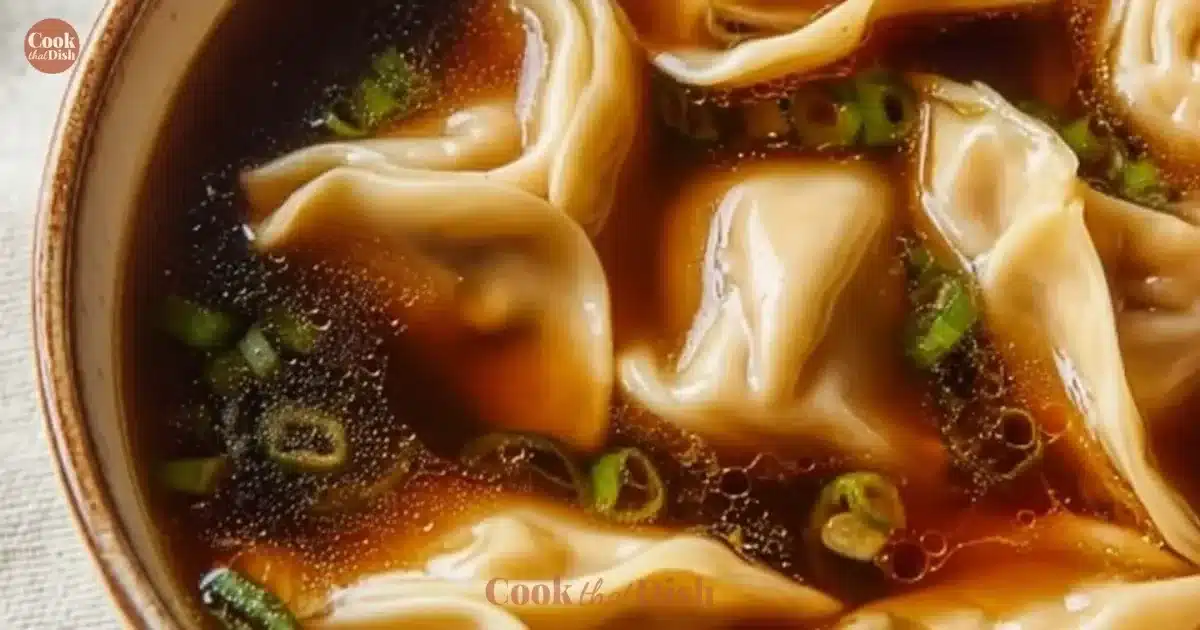
The first time I made Potsticker Soup for my family, it was one of those late November evenings in the city when the sky had already gone dark by the time we all stumbled through the door. The pan hissed on the stove, garlic and ginger unfurled an honest, homely perfume, and the kitchen felt like a tiny harbor against the wind. My daughters crowded around the counter, stealing the corners of wrappers and trying to guess which dumpling would be the crispest. That little bit of steam, the clink of spoons, and the warm bowl in my hands felt like a small miracle after a day of subways and homework. It’s a recipe that fits right into the rhythm of our life: quick, comforting, and somehow both simple and special.
I tuck a few secrets into the broth a splash of soy for depth and a handful of greens for color. The potstickers themselves are the star and the shortcut. Sometimes we make them from scratch on a Saturday morning and freeze extras. Sometimes I lean on store-bought wrappers when the week pushes in. Either way, there is always a moment when the room breathes a little easier, when voices soften and forks pause. That is what Potsticker Soup does for us: it turns ordinary dinner into a small celebration of being together.
If you want to read a quick spin on warm, dumpling-forward soups, I often keep ideas like this recipe saved to inspire swaps. It’s the same comfort idea, just a different shape on a plate.
Why Potsticker Soup Works for Busy Families
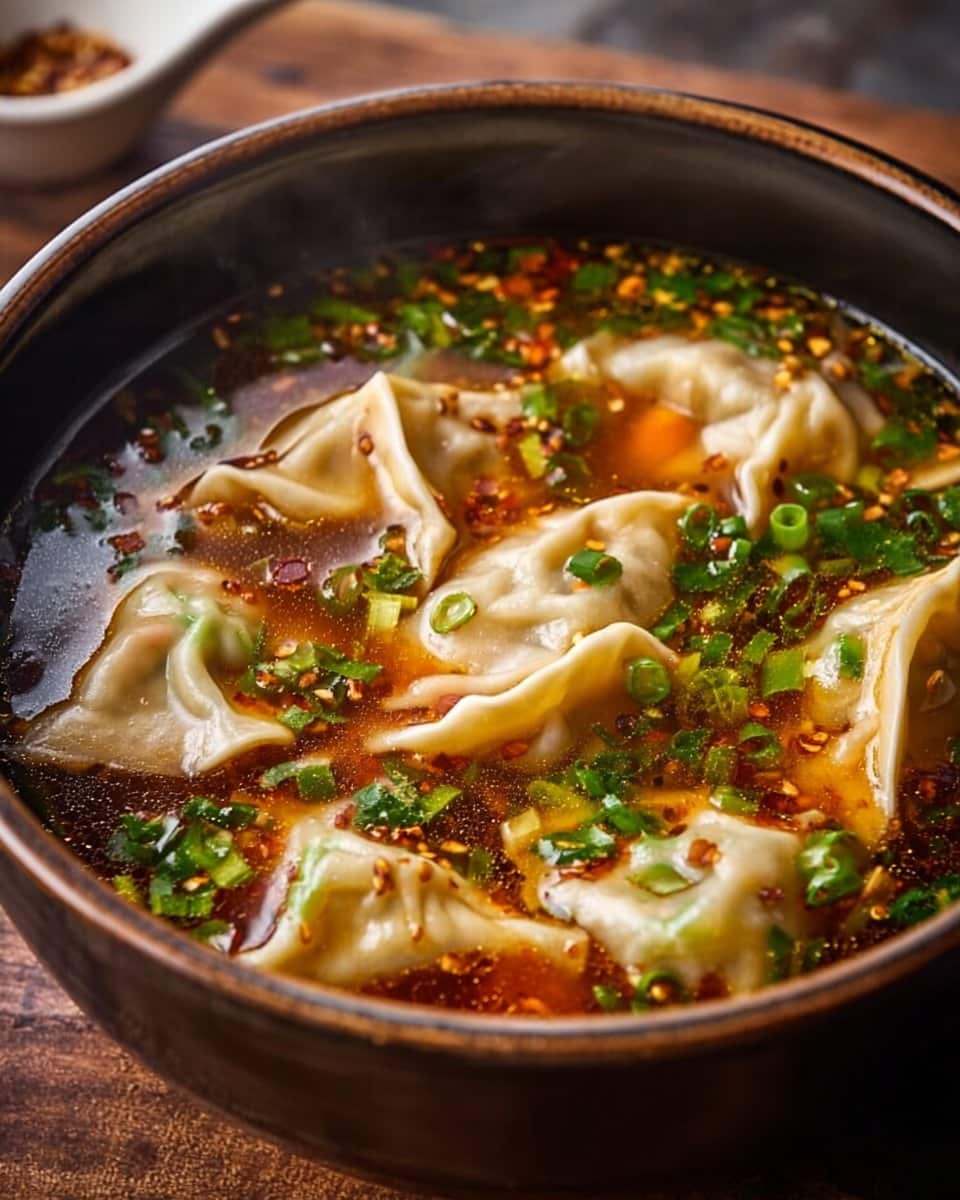
Potsticker Soup is a quiet weekday hero. It marries the ease of packaged dumplings with the freshness of a homemade broth and quick greens. It is not trying to be fancy. Instead, it promises fast warmth, textures that please kids and adults, and a way to use whatever vegetables you have on hand.
At our table, potstickers have always been the permission to be a little playful. One daughter prefers hers with extra soy; the other insists on a swirl of hot sauce. My husband likes to pick out every dumpling with his chopsticks and line them up like little boats before dipping. It’s the kind of meal that invites participation without demanding fancy skill.
A practical win is timing. From simmering the broth to serving, you can have bowls in 15 to 25 minutes depending on whether your dumplings are fresh or frozen. Use the stove, a good pot, and a timer. The soup is forgiving. If a meeting runs over or the bus is late, the flavors deepen and the texture stays pleasant. Leftovers become an even cozier next-day lunch.
Why Potsticker Soup also fits our modern life: it is adaptable. Make it vegetarian with vegetable stock and tofu dumplings. Make it protein-forward with chicken broth and pork dumplings. Add more veg, fewer carbs, or a handful of noodles. It invites small swaps that keep dinner interesting and approachable for everyone.
How to Make Potsticker Soup
“Every time I stir this pot, it smells just like Sunday at home.”
There is a comforting choreography to making this soup. First, you bring the broth to life with aromatics. The broth turns a pale gold and the kitchen fills up with a warm, peppered ginger scent. When you add the dumplings, they bob and float, their pleated tops softening and their bottoms gently puffing. The greens go in last and fold into the heat like little green flags. Meanwhile, you taste, adjust, and imagine the quiet nods around the table.
I like to notice the small shifts: the broth goes from clear to fragrant. The potstickers change from rigid lumps to pillowy crescents. Green onions add a fresh, bright top note. Texture plays a big role here. You want the dumplings to be tender, not gummy, and the greens to still have a slight bite.
Tools that matter: a medium-large pot with a heavy bottom, a ladle, a wooden spoon, and a shallow pan if you plan to brown some dumplings before adding them for extra flavor. Use a fine grater for the ginger; the little shards melt into the broth and release their warmth without fibrous bits.
For more ideas that use quick-cooking stuffed pasta or dumplings to make weeknight warmth, you might like this tortellini-and-sausage inspiration. It’s the same spirit of fast comfort.
Ingredients You’ll Need
Dumplings (potstickers)
4 cups chicken or vegetable broth
2 cloves garlic, minced
1 tablespoon fresh ginger, grated
2 cups mixed greens (such as bok choy or spinach)
Soy sauce to taste
Green onions, chopped for garnish
Salt and pepper to taste
Personal side note: If you have fresh basil or cilantro, add a few leaves at the end. It gives the dish that garden brightness. If you keep a jar of toasted sesame oil, a drop or two added right before serving lifts the aroma. When I say use dumplings, I mean use whatever you love or have on hand. Pork, chicken, shrimp, vegetable all work beautifully.
A little note on quantities and yields: This ingredient set makes about 3 generous bowls or 4 small bowls. If you are cooking for a crowd, multiply the broth and dumplings accordingly. Frozen dumplings often come in 12 or 18-count bags; plan roughly 4–6 dumplings per person for a filling bowl.
Step-by-Step Directions
- In a pot, bring the chicken or vegetable broth to a simmer.
- Add minced garlic and grated ginger to the broth, simmering for about 5 minutes.
- Gently add the dumplings to the broth and cook according to package instructions.
- Stir in the mixed greens and allow to wilt for 2-3 minutes.
- Season with soy sauce, salt, and pepper to taste.
- Serve hot, garnished with chopped green onions.
Cook’s tips sprinkled around the steps: When simmering the broth, keep the heat medium-low so it stays gentle. You want to coax the flavors without boiling off aroma. If you brown some dumplings first in a skillet with a tiny splash of oil, watch for golden edges and a caramelized smell. That crisp bottom adds a lovely contrast in the final bowl.
When adding the dumplings to the broth, add them in a single layer so they do not clump together. Give them the space to float and puff. If your frozen dumplings need a little longer than the package suggests, that is fine. Test one. It should be tender and hot all the way through.
If your greens are on the large side, chop them roughly. Bok choy stems take a bit more time to soften than the leafy parts. Add stems first and leaves later, or simply give them an extra minute in the pot. Taste once it’s ready and adjust with soy sauce. If you like brightness, finish with a squeeze of lime or a few drops of rice vinegar.
Serving Potsticker Soup at the Family Table
When I bring the bowls to the table, I love the way the steam curls up like a small cloud. The surface glints with the deep caramel of soy and the bright green of scallions. My children always want to be the ones to choose whose bowl gets the extra dumpling. The clink of spoons against ceramic and the half-whispered complaints about who got the choicest dumpling create a soundtrack I will remember.
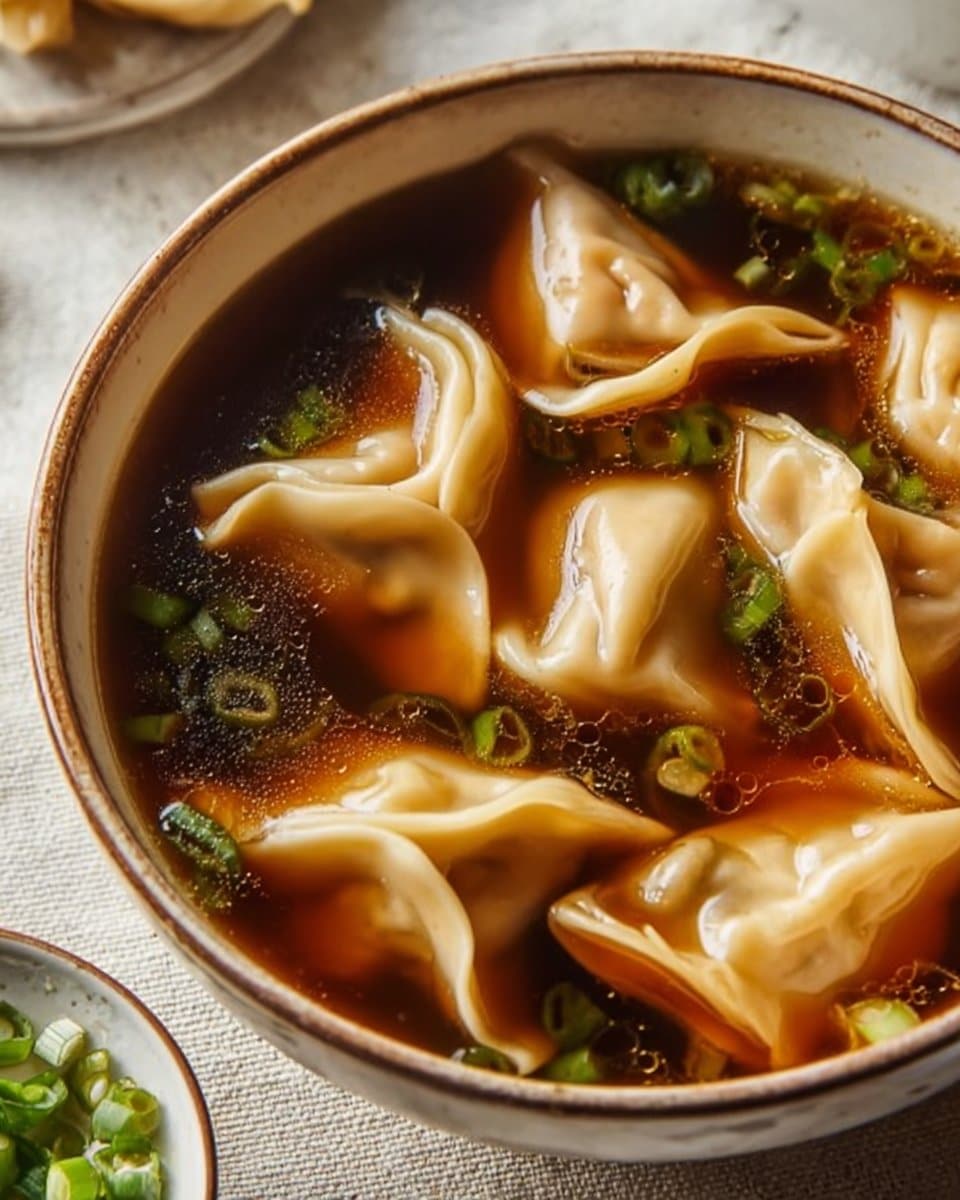
We often set the table quickly: a small dish of soy sauce and sesame oil for dipping, a cloth napkin, and chopsticks next to spoons for those who prefer them. Sometimes we add a simple side of steamed rice or a cucumber salad if the day calls for a lighter counterpoint. Pairings I love include cold pickled cucumbers for a crisp contrast, or a small plate of steamed broccoli for extra greens.
If you are serving a mixed crowd, offer a pitcher of water and a bottle of soy sauce. Let everyone tweak their bowl. The joy is in the communal ritual: pass the ladle, top with scallions, laugh at the burnt toast story from school. It makes the meal more than food. It makes a pause in the day that matters.
Practical serving details: Ladle gently so the dumplings are supported and not torn. Serve the soup very hot because dumplings cool quickly in bowls. Have extra napkins on hand; dumplings can sometimes leak a bit of broth and the kids tend to get excited.
Storing and Reheating Potsticker Soup
Leftover Potsticker Soup keeps well because the flavors often deepen overnight. If you plan to store leftovers, remove the dumplings from the sheet of broth and store the broth and dumplings separately for best texture. Dumplings left in broth for a long time can become too soft.
To store: place dumplings in an airtight container and the broth in a separate container. Greens can be packed with the broth or kept separate if they are very wilted. Refrigerate within two hours of cooking and use within 3 to 4 days.
To freeze: it is better to freeze uncooked dumplings on a tray until solid, then transfer to a bag. The broth freezes fine, but once thawed it may taste richer. If you freeze cooked dumplings in broth, expect a slight change in texture. For a planned freezer meal, freeze dumplings alone and make a fresh broth when you want to eat.
To reheat: warm the broth gently on low-medium heat until it simmers. Add dumplings and cook until heated through. If the dumplings are refrigerated, give them 4 to 6 minutes in simmering broth. If frozen, allow a few extra minutes. Avoid high heat which can over-soften the dumpling wrappers. For microwave reheating, place a few dumplings in a bowl with a little broth, cover, and heat in 30-second bursts until hot.
Note on flavor: the soup often tastes even better the next day because the ginger and garlic have had a chance to mellow and mingle. Add a splash of fresh soy or a squeeze of lime when reheating to brighten.
Quick Tips from My Kitchen
- Brown one or two dumplings in a skillet before adding to the broth for crunch. I do this when I want a little crisp to break up the soft textures.
- Use a microplane for the ginger. It melts into the broth and releases a fresh, clean warmth with no fibers.
- Keep extra dumplings in the freezer and a jar of scallions on the counter. They are game-changers for fast weeknight dinners.
- Taste as you go. Start with less soy and add more. Salt concentrates as the broth reduces.
- If your kids are picky about greens, blend in a small handful of spinach and they won’t notice. I did this many evenings and it saved us from cajoling.
These are tricks I learned from years of doing school night dinners. They keep things quick, lower stress, and make the meal feel thoughtful without taking extra time.
Variations on Potsticker Soup
One of the sweetest parts of this recipe is how forgiving it is. You can turn it into a vegetarian bowl, a protein-packed dinner, or even a light starter.
- Vegetarian version: Use a rich vegetable broth and vegetable or tofu dumplings. Add mushrooms for a savory punch. A splash of tamari can add deeper umami if you avoid other animal products.
- Spicy twist: Add a teaspoon of chili garlic sauce or gochujang when you add the broth. Balance with a little honey if it gets too bold for the kids.
- Noodle addition: Stir in a handful of cooked ramen or soba noodles for a heartier meal. The noodles soak up the broth and make it a main course.
- Citrus lift: Finish with lime or a hit of rice vinegar to cut through richness. My husband does this when he wants a fresher bowl.
- Pan-fried bottoms: Fry dumplings a few at a time in a metal skillet with a splash of oil until the bottoms crisp, then add water, cover, and steam until cooked through. Transfer to the soup for contrast.
- Leftover remix: Use leftover roast chicken shredded into the broth with plain dumplings for a different texture and a thriftier meal.
I also love mixing different greens depending on the season. In early spring, baby spinach is tender and sweet. In late winter, thinly sliced sturdy bok choy stems hold up well. Play with textures. The goal is a bowl that feels homey and familiar, with a few small surprises.
For ideas that combine sausage or extra-filling pasta shapes for different weeknight needs, this tortellini soup idea may spark a playful swap. It’s helpful when you want similar comfort but with a different protein or shape.
Print
Potsticker Soup
- Total Time: 25 minutes
- Yield: 4 servings
- Diet: Non-Vegetarian
Description
A comforting and quick soup featuring flavorful dumplings in a fragrant broth with mixed greens.
Ingredients
- Dumplings (potstickers)
- 4 cups chicken or vegetable broth
- 2 cloves garlic, minced
- 1 tablespoon fresh ginger, grated
- 2 cups mixed greens (such as bok choy or spinach)
- Soy sauce to taste
- Green onions, chopped for garnish
- Salt and pepper to taste
Instructions
- In a pot, bring the chicken or vegetable broth to a simmer.
- Add minced garlic and grated ginger to the broth, simmering for about 5 minutes.
- Gently add the dumplings to the broth and cook according to package instructions.
- Stir in the mixed greens and allow to wilt for 2-3 minutes.
- Season with soy sauce, salt, and pepper to taste.
- Serve hot, garnished with chopped green onions.
Notes
Feel free to add fresh herbs like basil or cilantro for added brightness. A few drops of toasted sesame oil right before serving enhances the aroma.
- Prep Time: 10 minutes
- Cook Time: 15 minutes
- Category: Soup
- Method: Simmering
- Cuisine: Asian
FAQs About Potsticker Soup
Can I make this recipe ahead of time?
Yes. I often prep it in the morning before the girls wake up, then finish it right before dinner. Store dumplings separately and keep the broth chilled. Finish cooking the dumplings and combine at the last minute so textures remain excellent.
What if my potstickers are frozen solid?
No problem. Add a couple of extra minutes to the cooking time and test one. Keep the broth at a steady simmer rather than a rolling boil so the wrappers stay tender.
Can I use instant broth or bouillon?
Yes. Good-quality instant broth or bouillon gives a quick base. Taste and adjust for salt. Fresh or low-sodium broths let you control the seasoning better.
Is Potsticker Soup healthy?
It can be. Use vegetable or low-sodium chicken broth, add plenty of greens, and choose lean fillings for dumplings. It offers protein, vitamins from greens, and comfort with portion control.
How do I prevent dumplings from falling apart?
Keep the heat gentle when cooking them in broth and stir very carefully. If you pre-fry, flip them once and do not overwork the pan so the skins stay intact.
A Final Thought
Potsticker Soup is one of those recipes that has kept me sane on busy nights and turned ordinary evenings into cozy memories. There is a particular calm that comes when a bowl of soup sits between us the girls leaning in, my husband looking up from a story, and the city humming outside. Cooking these little dumplings in a fragrant broth is a ritual that always returns us to what matters: warmth, shared taste, and the small magic of a meal made with care.
If you try this recipe, give extra dumplings to the one who needs a smile. Let someone set the table or stir the soup. The act of making it is part of the gift. Thank you for letting me share this corner of my kitchen. I hope it becomes one of your favorite go-to meals on a chilly weekday evening or a busy weekend afternoon. Keep it simple, keep it warm, and remember that every pot tells a story.
Conclusion
If you want to compare different takes on Potsticker Soup and gather more ideas for flavors or shortcuts, check out this helpful Potsticker Soup Recipe | Gimme Some Oven which offers a comforting perspective and useful tips. For a lighter, 30-minute approach that still delivers big flavor, this version on Potsticker Soup Recipe | Quick 30-Minute Dinner – Skinnytaste is a great reference to keep in your weeknight rotation.
Thank you for sharing a few minutes here. I hope your kitchen smells of good garlic and ginger tonight, and that the clink of bowls at your table brings you the same small joy it brings us.