
I can still hear the pan when I close my eyes. It starts with a soft sizzle as the onion hits the warm olive oil. Then the kitchen fills with the smell of garlic and lemon. The aroma brings back afternoons where my kids raced home from school and the tiny dining table became a map of homework, jackets, and half-drunk juice boxes. That sound, that smell, and the steam rising like a little comfort cloud are the first things I think of when I make Italian Penicillin Soup.
This soup is the kind I turn to when I want to tuck everyone in with a bowl that feels like a hug. It warms my hands and quiets the clatter for long enough to ask about the day. Meanwhile, the broth reduces and bright flavors bloom. Once it’s ready, someone always says, “This smells like Nonna’s,” even though neither of my grandmothers made this exact recipe. Cooking has a way of weaving memory from simple things, and for us, this soup writes a little new memory each time. If you like that kind of familiar comfort, you might also enjoy a different take on this family favorite at my longer family version of Italian Penicillin Soup.
Why Make This Italian Penicillin Soup or The Heart Behind This Recipe
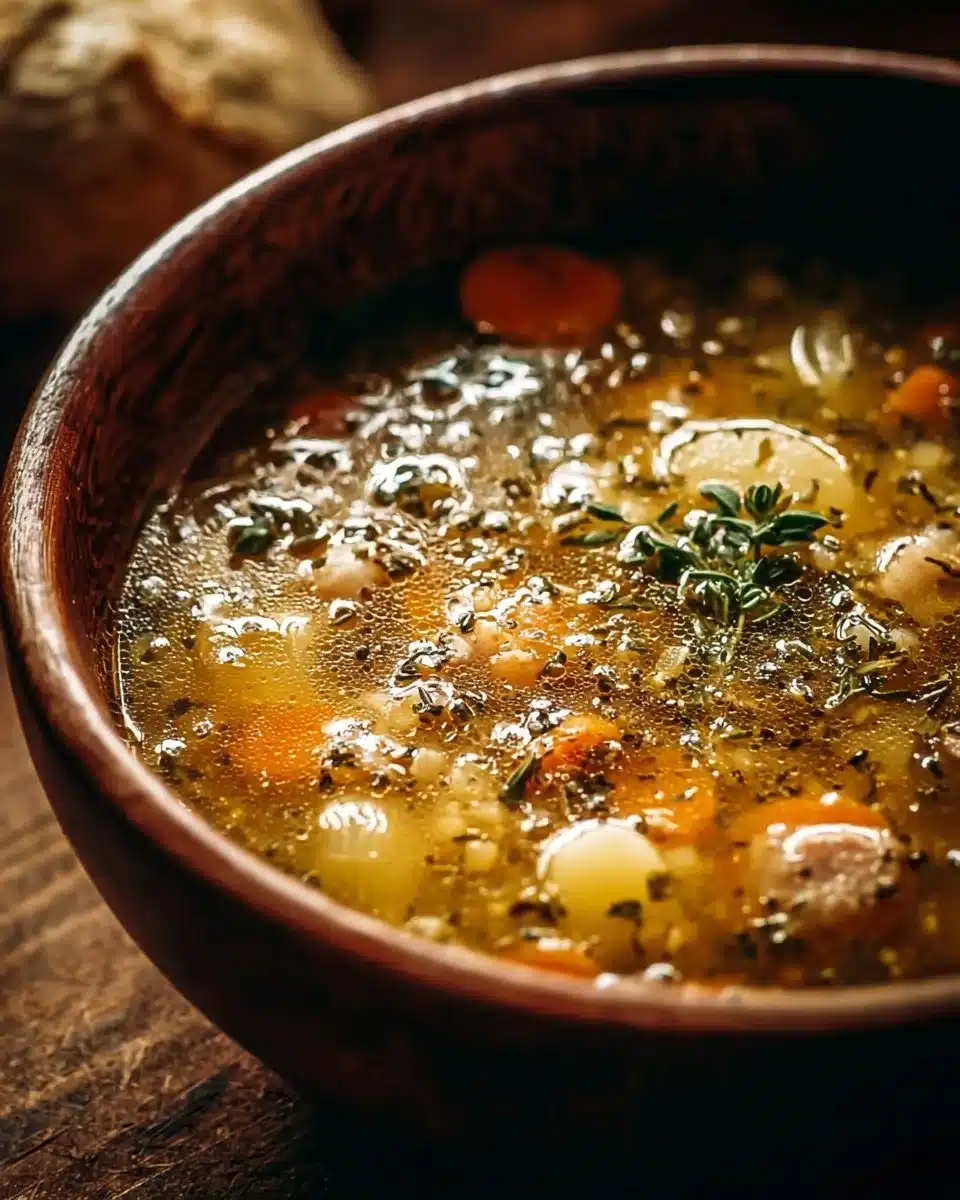
This soup works because it is honest and straightforward. It does not ask for rare ingredients or long lists of steps. It asks only for time, a good pan, and a willingness to stir and taste. For busy families in the city, it gives what we need most: warmth, speed, and something everyone will eat.
I started calling it our penicillin soup the first winter my youngest got a fever. I ladled it into small bowls, and the steam seemed to do more than clear the sinuses. It slowed things down. It brought focus back to the table. From there it earned its name at our house. It has lived on weeknight menus and on slow Sunday afternoons alike. It is the dish I bring when a neighbor drops by with a sad news or when a friend has a new baby. It’s flexible, nourishing, and kind.
This recipe fits into our routine because it uses one pot, a few pantry staples, and a short simmer. It gives kids room to help. My older child loves stirring the broth and counting the carrot rounds. My younger one insists on pouring the parsley on top, which usually ends up on the floor and in hair. These moments matter. They make dinner into a small ritual that gathers everyone without fuss.
Beyond family memory, the recipe answers real needs. It balances protein, vegetables, and a little pasta for substance. It offers vitamin-rich broth and bright lemon at the end to lift the flavors. It is gentle on tender throats, but bright enough to cheer a tired palate. That is why I keep this bowl in my regular rotation.
How to Make Italian Penicillin Soup or The Cooking Process Explained
“Every time I stir this pot, it smells just like Sunday at home.”
The cooking is simple but rewarding. First, you build the base with onions, carrots, and celery. They sweat and soften until the kitchen smells like a small garden warmed by sun. Then you add garlic. The garlic gives instant depth. When the broth goes in, the kitchen quiets for a small, meditative simmer. Watching the chicken poach gently makes me think of slow afternoons, even if I only have half an hour.
Color changes as you cook. The onion turns from pale to golden. The carrot makes the broth glow like late afternoon light. The pasta softens and nods into the broth, each piece becoming a tiny comfort. Once you add lemon and parsley, the whole pot brightens. Texture matters here. The shredded chicken gives bite. The pasta gives chew. The broth gives warmth and the cheese, if you add it, gives silky weight.
Tools you will love for this soup: a heavy soup pot with a lid, a sharp knife, a wooden spoon, and two forks for shredding the chicken. A small ladle makes serving quick and clean. A microplane or small grater will come in handy for the Parmigiano-Reggiano. I use a medium stainless steel pot that lives on my stove. It holds heat well and gives even cooking, which matters when you want steady simmer without frantic stirring.
Before you read the ingredients below, remember this is one of those soups that rewards patience at the stove. Keep the heat low enough to let the chicken poach gently. That gives the broth the mild, healing character that earned its nickname.
Ingredients You’ll Need
2 tablespoons extra virgin olive oil
1 large onion, diced
3 medium carrots, sliced into rounds
3 stalks celery, chopped
4 cloves garlic, minced
8 cups low-sodium chicken broth (or vegetable broth)
1 whole chicken breast, bone-in, skin-on (about 1 pound)
2 bay leaves
1 cup small pasta (such as ditalini, orzo, or shells)
1 teaspoon dried oregano
0.5 teaspoon dried thyme
0.25 teaspoon red pepper flakes (optional)
salt and black pepper, to taste
2 tablespoons fresh lemon juice
0.25 cup fresh parsley, chopped
Parmigiano-Reggiano, freshly grated (optional)
extra virgin olive oil, for drizzling
crusty Italian bread, for serving
Use fresh parsley if you can; it gives the soup a garden brightness that turns a simple broth into something celebratory. If you like more texture, swap in a cup of chopped kale at the end. If you want more protein and a smoky note, try diced Italian sausage instead and see how it transforms the broth. For another hearty Italian soup to add to your weeknight list, try a different flavor profile at Italian Sausage Tortellini Soup.
Step-by-Step Directions
- Heat olive oil in a large soup pot over medium heat.
- Sauté the onion, carrots, and celery for 5–7 minutes until softened.
- Add garlic and cook for 1 more minute without browning.
- Pour in broth and add the chicken breast, bay leaves, oregano, thyme, and red pepper flakes if using.
- Bring to a gentle boil, then reduce heat to simmer. Cover partially and cook for 25–30 minutes.
- Remove chicken, cool slightly, and shred with two forks. Discard skin and bones. Return shredded meat to pot. Season the soup with salt and pepper.
- Add pasta and cook according to package directions until al dente, about 8–10 minutes.
- Remove bay leaves. Stir in lemon juice and chopped parsley. Taste and adjust seasoning.
- Ladle into bowls and garnish with cheese and olive oil if desired. Serve with crusty bread.
A few natural tips as you work: watch the garlic so it does not brown. Keep the simmer gentle while the chicken cooks to keep the broth clear. When you add pasta, stir now and then so it does not clump. If the soup thickens too much after the pasta swells, add a splash of hot broth or water. For a silkier finish, grate a small handful of Parmigiano-Reggiano into each bowl and let it melt into the warm broth.
Timing note: active prep is about 10 minutes. The chicken poaches for 25–30 minutes. Pasta cooking adds about 8–10 minutes depending on the shape. Overall, expect about 50 minutes from start to finish if you include prep and finishing. If you have cooked chicken on hand, you can cut the time dramatically. In that case, skip the poaching and add shredded cooked chicken at step 6, then move to step 7.
Kitchen cues: the onion looks translucent and edges begin to color slightly when ready to add garlic. The chicken will be cooked through when the internal part registers 165 F, or when it pulls apart easily with a fork. The broth should shimmer but not boil hard when it simmers.
Serving Italian Penicillin Soup at the Family Table

I like to set a small bowl of grated Parmigiano-Reggiano and a bottle of olive oil on the table. Crusty Italian bread goes in a basket with a linen napkin. Kids get mismatched bowls, and someone almost always brings an extra chair. The soup steams in the center and the house quiets while spoons dip in.
The first spoonful often earns the most honest reaction. My youngest will close their eyes and say, “More lemon,” even though only a spoonful went in. My older one declares it “three stars,” which in our house means permission to lick the bowl. There is a familiar rhythm here. We ladle, we pass the bread, we ask about school and, sometimes, we just sit and listen.
Pairings: a simple salad with crisp greens and lemon vinaigrette keeps the meal light. If you want something heartier, roast some vegetables or make a big pan of roasted potatoes. For a weeknight, this soup often stands alone as a full meal. It travels well, too. If a neighbor needs dinner, I share a portion in a lidded container and add a note. The warmth lasts, both in the food and in the gesture.
If you have little ones, consider serving the pasta first to them while the adult bowls get the extra Parmigiano. That small move cuts down on spill negotiations and keeps the meal moving. Meanwhile, enjoy the sound of clinking spoons and the little sighs of contentment that follow the first bite.
Storing and Reheating Italian Penicillin Soup
Leftovers are one of this soup’s gifts. It tastes even better the next day because the flavors have time to marry. Here is how I keep it fresh.
Refrigerate: cool the soup to room temperature, then transfer to airtight containers. Store in the fridge for up to 4 days. If you plan to serve it later in the week, cook the pasta separately and add it when reheating. Pasta can soak up broth and get too soft if stored in the soup.
Freeze: cool completely and put into freezer-safe containers. Freeze for up to 3 months. I leave out the pasta when freezing. When you are ready to eat, thaw overnight in the fridge, then gently reheat on the stove. Add fresh pasta or cook a fresh batch and stir it into the hot soup.
Reheating: warm on the stove over low heat. Add a splash of broth or water if it seems thick. Stir in a bit of lemon just before serving to brighten the flavors. Taste and adjust salt and pepper once it is hot. If you froze the soup with pasta, expect the noodles to be softer; fresh pasta added at reheating gives a nicer texture.
Leftover ideas: use the soup as a base for a rice bowl. Stir in some cooked brown rice, a handful of fresh spinach, and an extra squeeze of lemon. Or turn leftovers into a quick casserole by placing soup in a shallow dish, topping with breadcrumbs and grated cheese, and baking at 375 F until bubbly and golden.
Quick Tips from My Kitchen
- Poach gently. A slow simmer keeps the broth clear and gives the chicken a tender texture.
- Save the parmesan rinds. Toss them into the pot while simmering for an extra layer of savory depth, then remove before serving.
- Add lemon last. A little lemon juice at the end lifts the whole bowl and keeps the flavors bright.
- Cook pasta separately for leftovers. This keeps the noodles from getting mushy overnight.
- Taste as you go. Salt and acid balance everything. A squeeze of lemon or a pinch of salt can turn good into great.
These are small rituals I use when life is busy. They are quick, and they make a meaningful difference. Once you start doing them, you will notice the soup becomes more than just a meal. It becomes a predictable comfort you can rely on.
Variations on Italian Penicillin Soup
This recipe is a friendly base for many variations. Here are a few ways I change it up to match my pantry or the season.
- Add greens. Stir in a few handfuls of baby spinach or thinly sliced kale at the end. They wilt fast and add color and nutrition.
- Swap the pasta. Use orzo for a comfortingly small shape, ditalini for a chewy bite, or tiny shells that children love.
- Make it vegetarian. Use a rich vegetable broth and add white beans for protein. If you like a heartier vegetarian bowl, try a similar comforting soup at Italian Sausage and White Bean Soup, but swap the sausage for roasted mushrooms.
- Add a smoky note. Brown a small diced Italian sausage in the pot after the vegetables soften, then continue with the recipe. This adds depth and makes the soup more of a winter meal.
- Brighten with herbs. Swap parsley for basil in summer. Fresh basil gives a sweet, peppery lift that feels like eating outdoors.
Each variation nudges the soup in a different direction. I like to keep it simple during the week and experiment on weekends. My kids are game for a switch now and then. They like when I call it by a new name, which makes dinner feel like a small surprise.
When you adapt the soup, remember the basic balance: broth, a little fat, protein, vegetables, and an acid at the end. Keep those elements and you will have a satisfying bowl every time.
Print
Italian Penicillin Soup
- Total Time: 60 minutes
- Yield: 4 servings
- Diet: Non-Vegetarian
Description
A comforting and nourishing soup made with chicken, vegetables, and pasta, perfect for family dinners.
Ingredients
- 2 tablespoons extra virgin olive oil
- 1 large onion, diced
- 3 medium carrots, sliced into rounds
- 3 stalks celery, chopped
- 4 cloves garlic, minced
- 8 cups low-sodium chicken broth (or vegetable broth)
- 1 whole chicken breast, bone-in, skin-on (about 1 pound)
- 2 bay leaves
- 1 cup small pasta (such as ditalini, orzo, or shells)
- 1 teaspoon dried oregano
- 0.5 teaspoon dried thyme
- 0.25 teaspoon red pepper flakes (optional)
- Salt and black pepper, to taste
- 2 tablespoons fresh lemon juice
- 0.25 cup fresh parsley, chopped
- Parmigiano-Reggiano, freshly grated (optional)
- Extra virgin olive oil, for drizzling
- Crusty Italian bread, for serving
Instructions
- Heat olive oil in a large soup pot over medium heat.
- Sauté the onion, carrots, and celery for 5–7 minutes until softened.
- Add garlic and cook for 1 more minute without browning.
- Pour in broth and add the chicken breast, bay leaves, oregano, thyme, and red pepper flakes if using.
- Bring to a gentle boil, then reduce heat to simmer. Cover partially and cook for 25–30 minutes.
- Remove chicken, cool slightly, and shred with two forks. Discard skin and bones. Return shredded meat to pot. Season the soup with salt and pepper.
- Add pasta and cook according to package directions until al dente, about 8–10 minutes.
- Remove bay leaves. Stir in lemon juice and chopped parsley. Taste and adjust seasoning.
- Ladle into bowls and garnish with cheese and olive oil if desired. Serve with crusty bread.
Notes
For a silkier finish, grate a small handful of Parmigiano-Reggiano into each bowl and let it melt into the warm broth.
- Prep Time: 10 minutes
- Cook Time: 50 minutes
- Category: Soup
- Method: Stovetop
- Cuisine: Italian
FAQs About Italian Penicillin Soup
Can I make this recipe ahead of time?
Yes. I often start it in the morning and finish it just before dinner. If you make it ahead, cook pasta separately and add it at the last minute to keep the texture right.
Can I use leftover chicken?
Absolutely. If you have cooked chicken, add it at step 6 and reduce simmer time. This cuts the active time and still gives a full-flavored bowl.
Is there a vegetarian option?
Yes. Replace the chicken broth with a good vegetable broth and add white beans or extra vegetables for protein. Finish with lemon and herbs as usual.
How spicy is it?
The red pepper flakes are optional. I add a pinch when we want a little warmth, but you can leave them out for a milder family-friendly version.
Can I freeze this soup?
You can. Freeze without the pasta for best texture. Thaw overnight and reheat gently, then add fresh pasta at serving time.
A Final Thought or My Closing Note
Cooking for a family in a small city apartment sometimes feels like juggling. The dinner must come together while homework waits, shoes are found, and emails ping. That is why dishes like Italian Penicillin Soup matter so much. They give calm and nourishment. They ask for a little attention and reward you with a lot of comfort.
When I stir this soup, I remember my mother teaching me to taste for salt and to add lemon at the end. I remember my children’s small ritual of claiming the bowl with the most cheese. Those memories are woven into the broth now. This dish has become a way we say, “You are cared for,” with food.
If you make this soup, take a moment to breathe while it simmers. Invite someone to stir the pot. Break the bread together. Let the house fill with sound and scent. Cooking is not a race. It is a way to show up.
Conclusion
If you want to compare this version with other takes, you can see a different recipe for an Italian Penicillin Soup that emphasizes pastina and tenderness at Allrecipes Italian Penicillin Soup Recipe, which is a nice reference for technique and ingredient ideas.
For a beautifully told family-style version that focuses on chicken and pastina, take a look at the Cafe Sucre Farine version for more inspiration at Italian Chicken Pastina Soup (aka Italian Nonna’s Penicillin Soup).
Thank you for letting me share this recipe. I hope it finds a place on your weeknight table and gives you a few new moments of calm and connection.