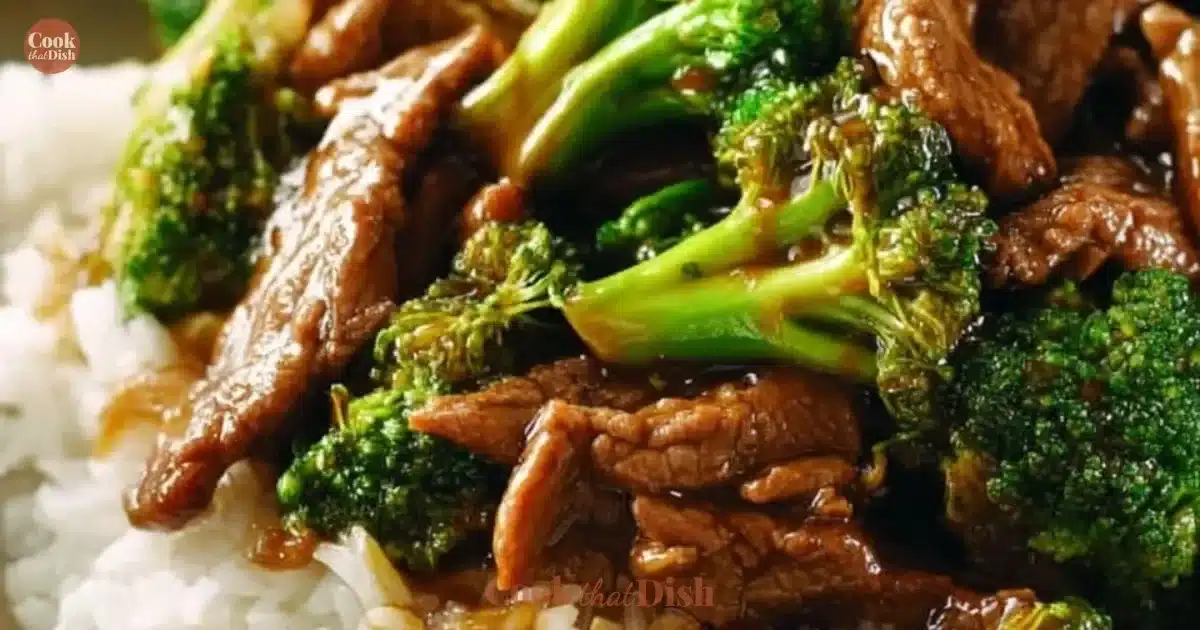
The pan hisses. Garlic browns and a warm, savory smell fills the kitchen. My girls press their faces near the counter, waiting for the first forkful. The sizzle of beef meeting a hot pan is as comforting to me as a hello from an old friend. That sound tells me dinner will be a small celebration tonight.
Chinese Beef and Broccoli has that homey power. It comes together fast. It feels special without the fuss. I remember making this after a long day of meetings and school pick-ups in New York City. The small delight of a dish that smells like takeout and eats like a hug keeps me cooking. Sometimes I set my phone aside and just stand by the stove. Meanwhile, the house fills with a rich, slightly sweet aroma that makes everyone slow down.
I like sharing simple, reliable recipes that fit real life. If you love easy family favorites, you might also enjoy a cozy dessert like Apple Pie by Grandma Ople for a weeknight treat later. It is a small thing, but good food brings us together.
Why Chinese Beef and Broccoli Works for Busy Families
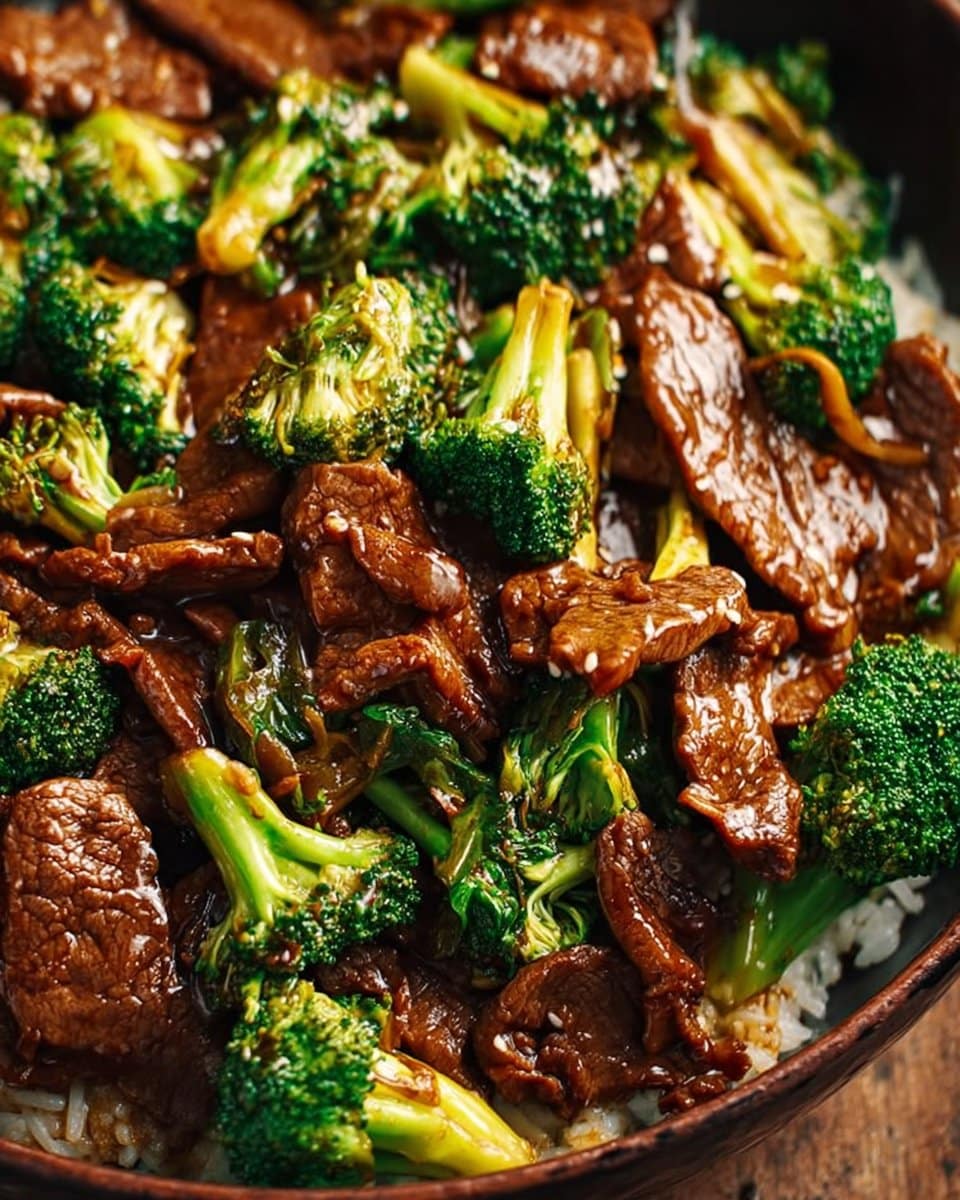
This recipe is a weekday hero. It cooks in under 30 minutes. It uses few pans and familiar ingredients. It gives you protein, a green vegetable, and a sauce that clings to every bite. That is practicality and comfort in one pan.
At our table, this dish is what I reach for when I want a quick, nourishing meal that still feels like care. Beyond the speed, it pairs easily with rice, noodles, or a simple salad. The flavors please kids and adults alike. My husband always says it tastes like the Chinatown spot we used to visit before the kids were born. These small connections make dinner more than fuel.
It also stretches well. You can double the broccoli, swap in a leaner cut of beef, or make extra sauce to brighten a leftover bowl. From there, the leftovers develop deeper flavor overnight. That makes the next-day lunch surprisingly good.
Bringing Chinese Beef and Broccoli to Life
“Every time I stir this pot, it smells just like Sunday at home.”
Before listing the ingredients, imagine the scene. The broccoli goes in bright green and crisp. The steak browns at the edges and stays tender inside. Garlic and ginger pop up as tiny, warm clouds of scent. The sauce is glossy and clings to everything. When I toss it all together, the kitchen looks brighter and the kids come running. That is the joy of this recipe.
This is a hands-on recipe but not fussy. Watch the pan. Keep things hot. Move quickly so the beef stays tender and the broccoli keeps its snap. Once it is ready, you will see glossy sauce and steam rising. The colors will be deep brown beef and vibrant green broccoli. That contrast makes the dish feel complete on the plate.
Ingredients You’ll Need
- 1 lb flank steak ( skirt steak, or other cut (*see footnote 1))
- 1 tablespoon soy sauce
- 1 tablespoon peanut oil ((or vegetable oil))
- 1 tablespoon cornstarch
- 1/2 teaspoon baking soda ((Optional) (*see footnote 1))
- 1/2 cup chicken stock ((or beef stock))
- 2 tablespoons Shaoxing wine ((or dry sherry))
- 2 tablespoons soy sauce
- 1 teaspoon dark soy sauce ((*footnote 2))
- 2 teaspoons brown sugar ((or white sugar))
- 1 tablespoon cornstarch
- 1 head broccoli ( cut to bite-size florets)
- 1 tablespoon peanut oil (or vegetable oil) ((*Footnote 3))
- 3 garlic cloves ( minced)
- 2 teaspoons ginger ( minced)
Personal side notes:
- Use fresh garlic and fresh ginger if you can. They give the dish a brighter, cleaner flavor.
- If you do not have dark soy sauce, add a touch more regular soy sauce and a tiny splash of molasses or brown sugar to deepen color.
- If you like a nuttier note, swap half the vegetable oil for sesame oil at the very end.
I keep a small jar of Shaoxing wine in my pantry for nights like this. It smells a little sharp on its own. Once it hits the pan, it adds warmth and lifts the whole sauce. If you travel with a smaller family, try halving the stock and wine to avoid waste.
Step-by-Step Directions
- Slice the beef against the grain into 0.5 cm (1/4 inch) thick slices or 1-cm (1/2 inch) sticks. Transfer to a small bowl. Add soy sauce, peanut oil, and cornstarch (*Footnote 1). Gently mix well by hand until all the slices are coated with a thin layer of sauce. Marinate for 10 minutes while preparing the other ingredients.
- Combine all the ingredients for the sauce in a medium-sized bowl. Mix well.
- Add 1/4 cup water into a large nonstick skillet over medium-high heat until the water begins to boil. Add the broccoli and cover. Steam until the broccoli just turns tender and the water evaporates, 1 minute or so. Transfer broccoli to a plate. Wipe the pan with a paper towel held in a pair of tongs if there’s any water left.
- Add the oil and swirl to coat the bottom. Heat over medium high heat until hot. Spread the steak in a single layer. Allow to cook without touching for 30 seconds, or until the bottom side is browned. Flip to cook the other side for a few seconds. Stir and cook until the surface is lightly charred and the inside is still pink.
- Add the garlic and ginger. Stir a few times to release the flavor and fragrance.
- Return the broccoli to the pan. Stir the sauce again to dissolve the cornstarch completely and pour it into the skillet. Cook and stir until the sauce thickens, about 1 minute. Transfer everything to a plate immediately. Serve hot as a main dish.
Tips inside the steps:
- When you spread the steak in a single layer, do not crowd the pan. Crowding cools the surface and leads to steaming rather than browning.
- Watch for golden edges on the beef. Those edges are flavorful. Let them form before you stir.
- Stir the sauce until it is creamy and glossy. If it looks too thick, add a tablespoon of water to loosen it.
These numbered steps are the bones of the recipe. Small gestures make a big difference. For example, marinating the beef briefly gives a silkier texture. Meanwhile, steaming the broccoli first keeps it crisp and a vivid green.
I also like to keep one hand on the timer and one hand on the spatula. The process is quick, but it pays to move with purpose. Afterward, when I plate it and see the steam rise, I feel a little proud. It is a simple thing, but it feeds more than our bodies.
Serving Chinese Beef and Broccoli at the Family Table
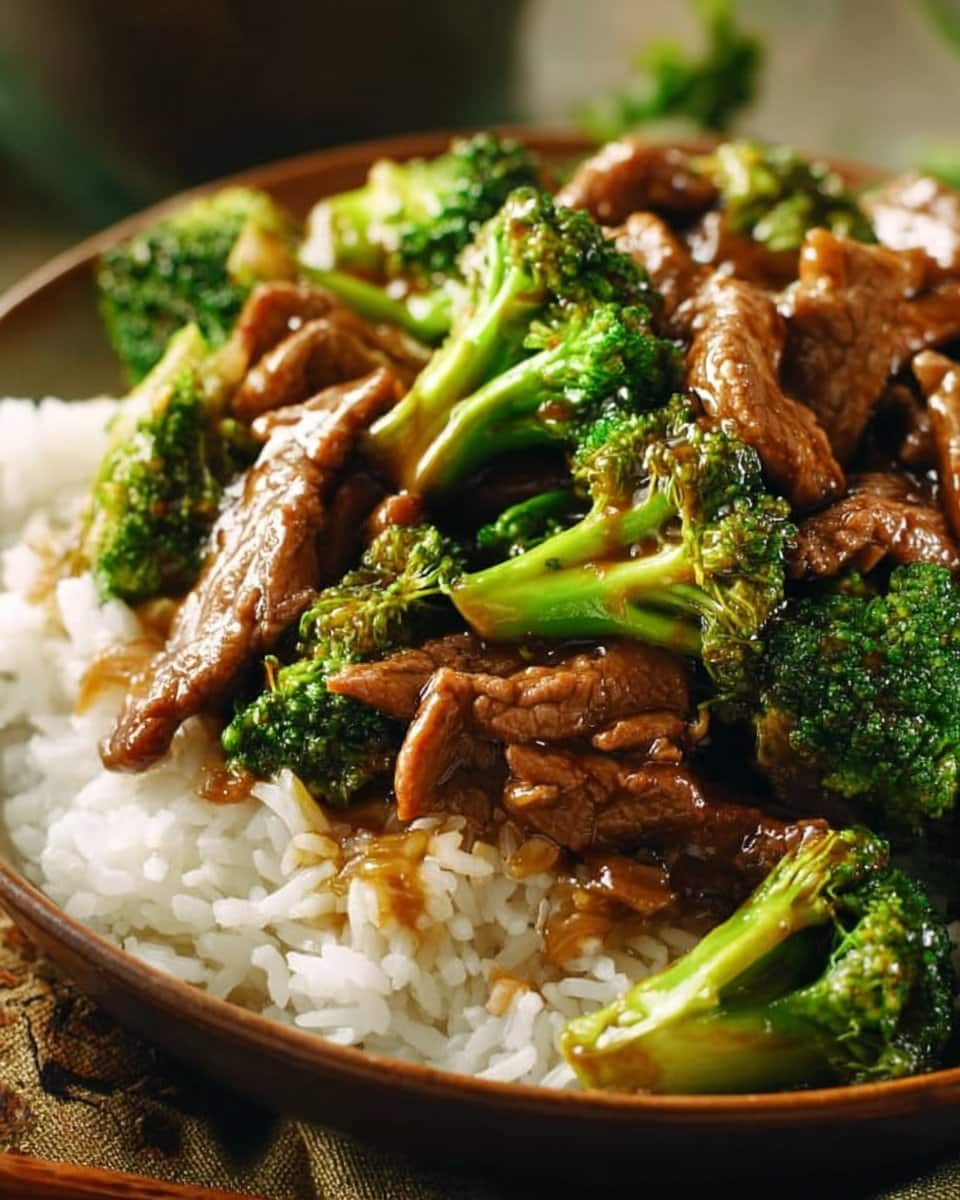
I usually place the pan in the center and let the kids serve themselves family style. Rice goes in a bowl beside it. Someone pours water. Plates clink softly. The house hums with quiet conversation and the smell of soy and garlic.
We serve it hot, straight from the pan. The steam softens skin on little fingers that reach in for one more piece. My daughter loves the tender beef. My son prefers the broccoli, which surprises me every time. Watching them trade bites and laugh over who gets the last piece is the best part of dinner.
Pairing ideas:
- Plain steamed jasmine rice for a classic combo.
- Brown rice or cauliflower rice if you want more fiber.
- Soft noodles tossed with a little sesame oil and scallions for texture.
- A light cucumber salad on the side to add crunch and coolness.
For drinks, I keep it simple: water, milk for the kids, and sometimes a glass of chilled white wine for me and my husband. Once it’s ready, we sit down and let the warmth of the dish set the mood. If you like a side that echoes the broccoli, try a quick Broccoli Cheddar Soup for later in the week by following this link: Broccoli Cheddar Soup.
Storing and Reheating Chinese Beef and Broccoli
Leftovers hold up very well for one to two days in the fridge. Store them in an airtight container. The sauce will tighten overnight. That is not a bad thing. The flavors deepen.
To reheat:
- Warm gently in a skillet over medium heat. Add a splash of water or stock to loosen the sauce. Stir until heated through.
- Microwave on medium power in short bursts, stirring between, until the dish is warm. Add a teaspoon of water if it looks dry.
Freezing note:
- I do not recommend freezing the broccoli. It can become soft and watery after thawing. If you think you will freeze the meal, remove the broccoli and freeze the beef and sauce separately.
- Thaw overnight in the fridge before reheating.
Leftover ideas:
- Stir the reheated beef and sauce into a fried rice for a quick new meal.
- Use as a filling for wide rice noodles or a noodle soup bowl.
- Toss with roasted vegetables to create a textured grain bowl.
Keeping food fresh and flexible helps us eat well with less stress. From there, you can build lunches that work for schoolboxes or quick dinners when the day runs long.
Quick Tips from My Kitchen
- Slice the beef cold. Cold meat slices cleanly and holds its shape. This gives you neat, tender slices that cook evenly.
- Use a hot pan. A hot surface gives you browning and a slight char. That char is flavor. If the pan is not hot enough, the meat will steam and lose textural contrast.
- Measure the cornstarch for the sauce carefully. Too much turns the sauce gluey. Too little leaves it runny. One tablespoon usually gives you a glossy, clingy finish.
- Add a little brightness at the end. A squeeze of lemon or a few sliced scallions on top lifts the whole dish and makes the flavors feel more complex.
- Swap in ground turkey or tofu if you need a simpler protein. Adjust the cooking time accordingly and watch for moisture.
I sometimes sneak in an extra clove of garlic when my children are at a study table and I want to wake the room. It works nearly every time. Also, when I am in a hurry, I steam the broccoli in the microwave for 40 to 60 seconds before adding it to the pan. It saves a minute and keeps the texture right.
Also note: There are small, handy recipes I use for desserts or treats. If you want an easy sweet finish after the meal, I find a simple batch of cookies helps. Try this one for a family favorite later: Cookies and Cream Cookie Recipe.
Variations on Chinese Beef and Broccoli
Family life calls for flexibility. Here are ways I change this recipe based on seasons, tastes, or what is in my fridge.
- Lighter sauce. Use low-sodium soy sauce and less sugar for a cleaner taste. Add a splash of vinegar for brightness.
- Spicier version. Add red chili flakes or a teaspoon of sambal oelek when you add the garlic and ginger.
- Nutty twist. Finish with a teaspoon of toasted sesame oil and a sprinkle of toasted sesame seeds.
- Different greens. Swap broccoli for broccolini, bok choy, or even green beans. Steam time will vary.
- Vegetarian option. Use large slices of firm tofu, pressed dry, and pan-fry until golden. Use vegetable stock instead of chicken stock.
When my mother-in-law came to visit, she asked for more garlic and less sugar. We made a half-spicy, half-sweet pan and it worked brilliantly. Tiny changes make dinner feel personal.
What I’ve Learned Cooking Chinese Beef and Broccoli
Cooking on school nights taught me to respect shortcuts that do not sacrifice flavor. Quick marination, hot pans, and good stock make this dish sing. I also learned the value of family rituals. We pass plates around, ask about each other’s day, and learn small things over shared bites.
A final technical note: dark soy sauce is about color and depth more than saltiness. Use it sparingly to avoid overpowering the flavor. If you do not have it, a touch of molasses or extra brown sugar can mimic the color well.
For another playful spin on family desserts during the holidays, we sometimes bake a candy-themed pie, which pairs well with big family dinners. I keep that recipe handy at this link: Candy Cane Pie Recipe.
Print
Chinese Beef and Broccoli
- Total Time: 30 minutes
- Yield: 4 servings
- Diet: Gluten-free
Description
A quick and comforting dish that combines tender beef with vibrant broccoli in a savory sauce.
Ingredients
- 1 lb flank steak (or skirt steak)
- 1 tablespoon soy sauce
- 1 tablespoon peanut oil (or vegetable oil)
- 1 tablespoon cornstarch
- 1/2 teaspoon baking soda (optional)
- 1/2 cup chicken stock (or beef stock)
- 2 tablespoons Shaoxing wine (or dry sherry)
- 2 tablespoons soy sauce
- 1 teaspoon dark soy sauce
- 2 teaspoons brown sugar (or white sugar)
- 1 head broccoli (cut into bite-size florets)
- 1 tablespoon peanut oil (or vegetable oil)
- 3 garlic cloves (minced)
- 2 teaspoons ginger (minced)
Instructions
- Slice the beef against the grain into 0.5 cm (1/4 inch) thick slices or 1 cm (1/2 inch) sticks. Transfer to a small bowl. Add soy sauce, peanut oil, and cornstarch. Gently mix well until all slices are coated and marinate for 10 minutes.
- Combine all the ingredients for the sauce in a medium bowl and mix well.
- Add 1/4 cup water into a large nonstick skillet over medium-high heat until boiling. Add the broccoli and cover. Steam until tender, about 1 minute, then transfer to a plate.
- Add oil to the skillet, heat over medium high until hot. Spread the steak in a single layer and cook without touching for 30 seconds until browned. Flip and cook the other side briefly until lightly charred.
- Add garlic and ginger to the skillet, stirring to release flavors.
- Return broccoli to the pan, stir the sauce, and pour it into the skillet. Cook and stir until the sauce thickens, about 1 minute. Serve hot.
Notes
For a nuttier flavor, swap half the vegetable oil for sesame oil at the end. Serve with rice or noodles.
- Prep Time: 10 minutes
- Cook Time: 20 minutes
- Category: Main Course
- Method: Stir-frying
- Cuisine: Chinese
FAQs About Chinese Beef and Broccoli
Q: Can I make this recipe ahead of time?
A: Yes. I often prep the beef and sauce in the morning. Marinate the beef and mix the sauce. Keep them covered in the fridge. Finish the dish on the stovetop right before dinner. It keeps the flavors fresh and saves time.
Q: What cut of beef works best?
A: Flank steak or skirt steak gives great flavor and texture. Slice against the grain for tenderness. Sirloin can work too, but slice thinly and watch the cooking time.
Q: Can I use frozen broccoli?
A: You can, but fresh broccoli gives a better texture. If you must use frozen, do not thaw fully. Stir-fry straight from frozen and expect the florets to be a bit softer.
Q: How do I keep the beef tender?
A: Slice thin and against the grain. Marinate briefly in soy sauce, oil, and cornstarch. Use high heat and avoid overcooking.
Q: Is this recipe healthy?
A: It is a balanced, protein-rich meal with vegetables. You can adjust oil and sugar for a lighter version. Serve with brown rice or extra vegetables for more fiber.
A Final Thought
Cooking feels like a small act of caring. When I make Chinese Beef and Broccoli, I am offering something warm and familiar. The sizzle of the pan, the aroma of garlic, and the bright green broccoli remind me of small, everyday rituals that hold a family together.
If you are new to this dish, start with the basic recipe. Taste as you go. Adjust to your family’s preferences. Remember that the goal is connection, not perfection. Once it is on the table and everyone is smiling, you will know you did it right.
Conclusion
Thank you for letting me share this recipe and these little kitchen stories. If you want a single-serving take on beef and broccoli to test flavors before cooking a larger meal, I like the clear steps in Beef & Broccoli for One. For a deeper dive into technique and a classic Chinese way of preparing this dish, I recommend the thoughtful notes at Beef and Broccoli (西兰花炒牛肉).
Footnotes:
- The baking soda in the marinade is optional. It helps tenderize tougher cuts like flank or skirt steak. Use sparingly and rinse briefly if desired. Cornstarch in the marinade creates a thin protective coating that keeps meat moist.
- Peanut oil has a higher smoke point and a subtle flavor. Vegetable oil works fine. Add a few drops of sesame oil at the end for aroma if you like.
- Dark soy sauce adds color and depth. It is less salty than light soy sauce but more syrupy. Use one teaspoon unless you want a darker color.