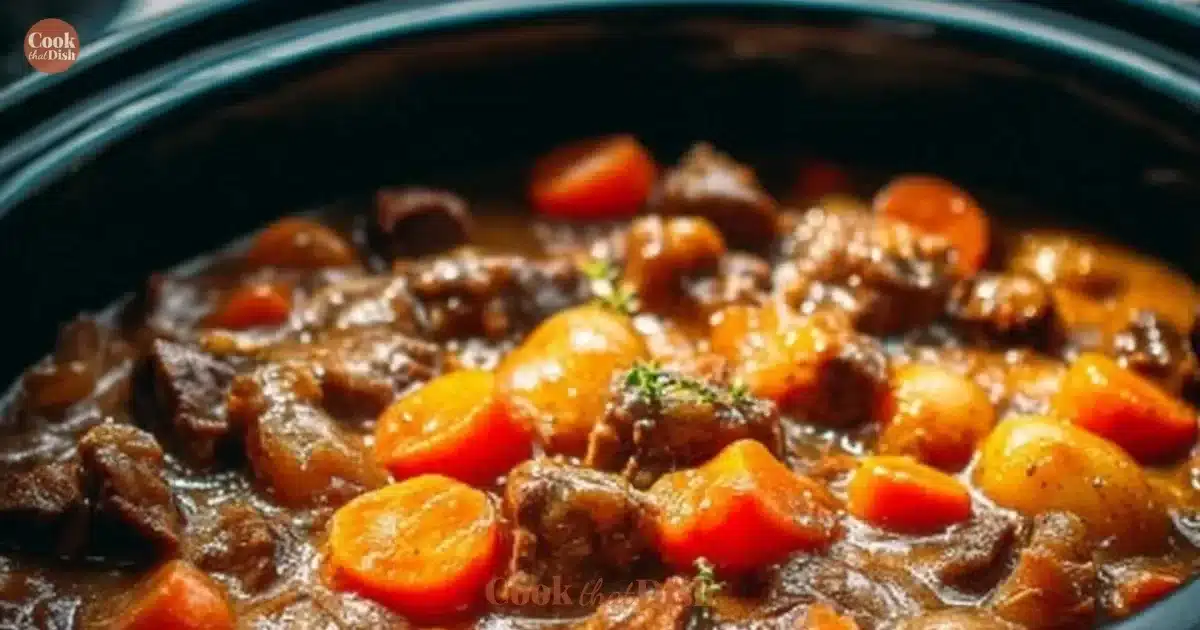
The kitchen fills with the small, welcome clatter of pots and a soft sizzle as the beef hits the hot oil. The smell of garlic and onion curls through the air like a promise. I remember my girls coming home with cold noses and bright eyes, pressing their faces to the kitchen doorway the moment they heard the pot. That sound, the low bubble of the stew as it simmers, feels like a little ritual that says home, that says we are together again.
Some days I stand here after work feeling like the city has taken a little more energy than I planned to give. A pot of beef stew is my secret reset. It is forgiving, honest, and full of warmth. If you want a simple way to bring comfort back into a weekday evening, this dish does the job. For a slightly quicker protein side or to inspire a new flavor combo, I sometimes peek at a favorite quick bite idea like garlic-butter beef bites with potatoes and let that nudge my timing in the kitchen.
Why Make This Beef Stew
There is something very human about a simmering pot. It draws people into the same room. For our family, beef stew became the bridge between long days and slow evenings. It fits the kind of life I lead here in New York City, where time is tight and comfort is essential. One pot upgrades a busy night into a small celebration.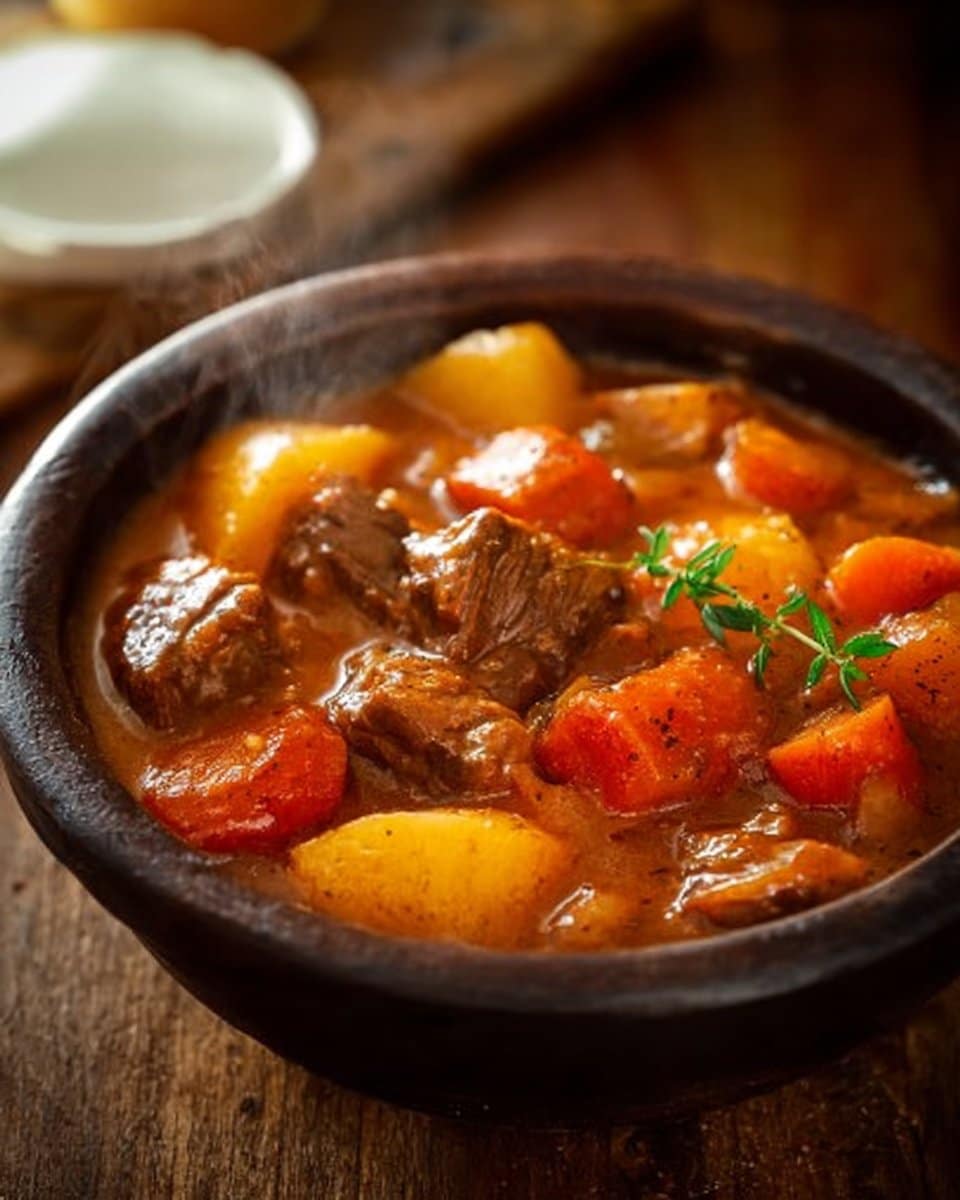
Beef Stew works because it asks for a little attention at the start and then frees you. You can go out for a walk, help with homework, or fold laundry, and the pot keeps doing the heavy lifting. It stretches simply. Add more potatoes, drop in extra carrots, or serve it over rice and feed more mouths without extra stress.
I also love how patient ingredients transform. Tougher cuts of beef become tender and silky. Root vegetables give the broth a homey sweetness. When you serve it, you get warm bowls, steam, and that hush that happens when everyone tastes something they like. It is food that makes room for talk and for pause. This stew holds its place at the table through seasons, celebrations, and quiet nights alike.
How to Make Beef Stew
“Every time I stir this pot, it smells just like Sunday at home.”
First, imagine color and sound. The beef should brown with a sharp sear that sings in the pan. The onions should soften and smell sweet, and the tomato paste should darken and give you a whisper of caramel. From there, the broth fills the kitchen with an inviting steam. Meanwhile, the potatoes take in the flavors and become fluffy at the edges.
I like to start this recipe on a late morning when I can keep an eye on it, but it works equally well as a slow-simmer all day. For an after-work finish, brown the beef and toss everything in the slow cooker. Once it’s ready, the texture of the beef and the deep, meaty broth feel like a small victory. If you prefer to speed things up, a pressure cooker works too. I often glance at the clock, stir, and imagine the kids coming home as the smell fills the stairwell. For short, fun dishes that lift the dinner table, that same click of flavor often comes back to me when I check out this garlic-butter beef bites with potatoes for timing ideas.
This recipe is forgiving. You do not need pristine, expensive cuts. The slow heat and gentle liquid do the hard work. Use a heavy pot with a tight lid if you can. A Dutch oven is my favorite because it holds heat evenly and gives a nice crust on the beef when searing. For tools, you will need a sharp knife, a sturdy spoon, and either a heavy pot or a slow cooker. If you plan to finish the stew on the stovetop, keep the heat low and patient. If you have a busy night, see tips below for quick adaptations and timing tricks.
Ingredients You’ll Need
1 lb beef stew meat
4 cups beef broth
3 medium potatoes, diced
2 carrots, sliced
1 onion, chopped
2 cloves garlic, minced
2 tbsp tomato paste
1 tsp salt
1/2 tsp black pepper
1 tsp dried thyme
2 bay leaves
2 tbsp olive oil
Use fresh garlic if you can; it gives the dish that garden brightness. If your broth is low-sodium, taste as you go and add salt slowly. I sometimes swap half the potatoes for parsnips for a sweeter note. Also, if you like a thicker stew, a splash of cold water mixed with a teaspoon of flour toward the end will help it cling to the meat and veggies.
I often keep a jar of dried thyme near the stove. It is one of those small comforts that turns a plain soup into something coast-to-coast cozy. If you have fresh herbs, add them near the end to keep their color and lift. For a bit more body, choose a richer beef broth or add a small bone-in piece of beef into the pot and remove it before serving.
Step-by-Step Directions
- In a large pot, heat olive oil over medium heat. Brown the beef stew meat on all sides.
- Add the chopped onion and minced garlic; sauté until softened.
- Stir in the tomato paste, salt, black pepper, thyme, and bay leaves.
- Add the beef broth, diced potatoes, and sliced carrots.
- Bring to a boil, then reduce heat to low and cover.
- Let it simmer for about 6-8 hours, or until the beef is tender.
- Taste and adjust seasoning if needed.
- Remove bay leaves before serving.
Start with a hot pan to get a good sear. That golden crust on the beef is what gives the stew depth. Once the meat has a nice color, it will contribute richer juices to the final broth. When you stir in the tomato paste, let it brown for a minute or two. It will deepen the flavor and add a subtle sweetness.
Keep the lid on while it simmers to keep moisture and warmth. Resist the urge to lift the lid too often. Every peek lets out heat and adds to cooking time. If you use a slow cooker, set it on low and cook for 6 to 8 hours. If you want to finish faster, a pressure cooker can make the beef tender in about an hour. Once the stew is done, let it sit off the heat for a bit. That rest time helps flavors marry and makes serving easier.
Natural tips: stir until the sides look glazed when simmering. Watch for golden edges when browning the beef. When tasting, remember that cold broth will mute salt, so season gradually. If the stew tastes flat, a splash of acid like a teaspoon of red wine vinegar brightens it right up.
Serving Beef Stew at the Family Table
When the stew hits the table, steam rises in a friendlier way than any city fog. I ladle it into deep bowls. The broth glows with a warm brown, flecked with thyme and softened carrots. My kids always reach for the bread first, but they come back for another spoonful of the stew before the bowl is empty.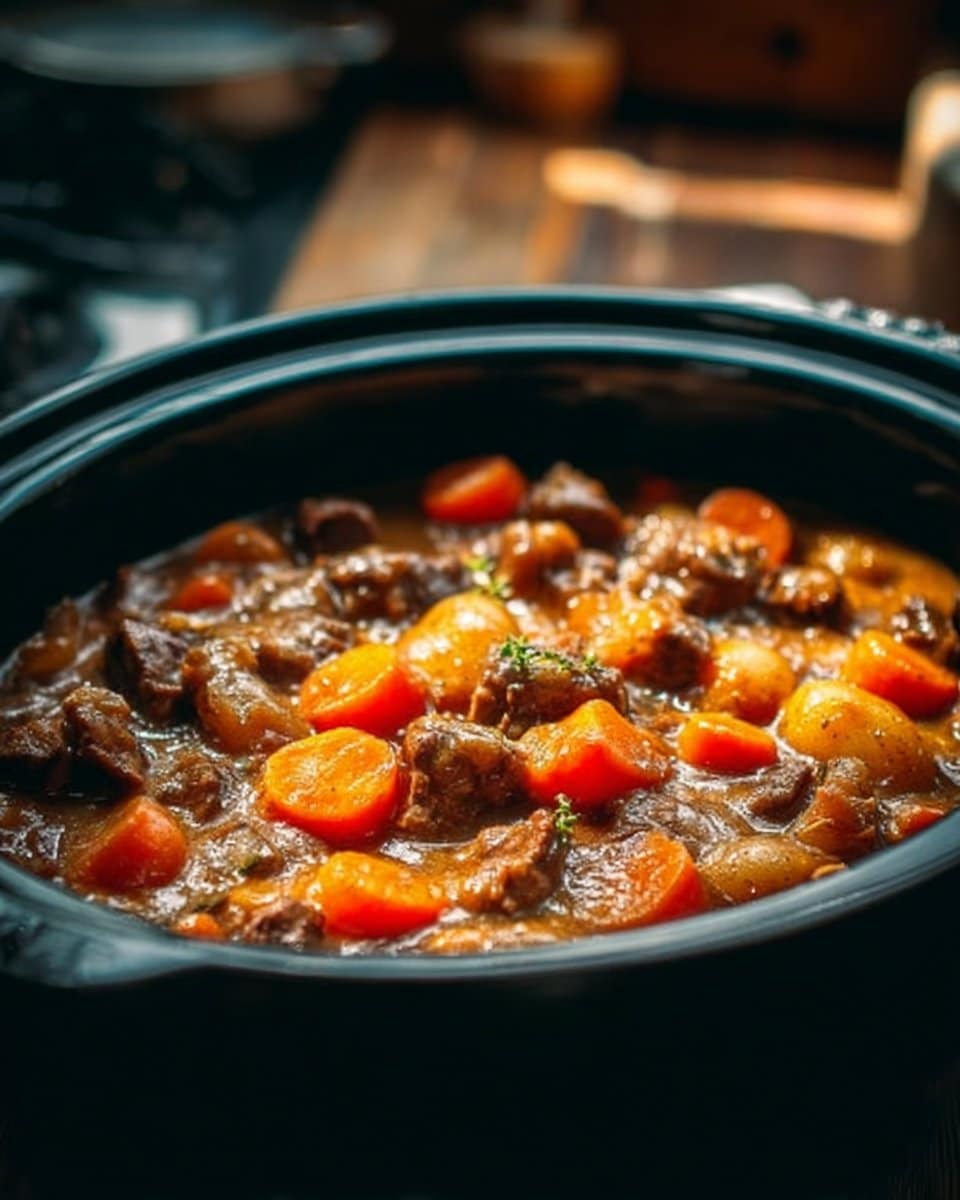
We set thick napkins on the table, a small bowl of grated cheese for anyone who wants it, and a loaf of crusty bread on a board. The sound of spoons against ceramic mixes with the low murmur of our day. Sometimes my husband tells a story about a strange commute, and the girls giggle, cheeks soft from the heat. That hush I mentioned earlier comes like clockwork once the first spoonful meets their faces.
Pair this stew with a crisp green salad to cut the richness or with buttered noodles for a true family-style plate. I often serve it with a side of roasted root vegetables in winter or a simple coleslaw in summer to add crunch. For a cozy finish, a small glass of red wine for the grown-ups makes things feel gently celebratory.
If you want to jazz the presentation, place a sprig of fresh thyme on top of each bowl. Or, for kids, add a small piece of crusty bread to the side so they can dip and play with textures.
Storing and Reheating Beef Stew
Stew is one of those dishes that improves overnight. The flavors deepen as time passes. Once cooled to room temperature, transfer the stew to airtight containers and refrigerate. It will keep well for 3 to 4 days.
For longer storage, freeze in a heavy-duty freezer bag or a freezer-safe container. Leave a little room at the top because liquids expand. When you are ready to use, thaw in the fridge overnight. Reheat gently on the stovetop over low heat, stirring often. If reheating from frozen, use a low simmer and give it extra time so the center warms through without burning.
When reheating, add a splash of broth or water if the stew has thickened too much. A little fresh pepper or a squeeze of lemon can brighten flavors that feel muted after time in the fridge. If you want to reuse leftover stew for another meal, turn it into a shepherd-style pie by placing it in a baking dish and topping it with mashed potatoes. Bake until golden and bubbly for an easy second-night treat.
Label your containers with the date, especially when freezing. This helps you rotate meals and keeps things fresh. And always bring the stew to a full simmer on the stovetop to ensure it is heated evenly.
Quick Tips from My Kitchen
- Brown in batches. Do not crowd the pan when searing the beef. Small batches brown better and build more flavor.
- Low and slow is your friend. Give the meat time to relax and become tender. If you rush, you might end up with chewy bites.
- Taste as you go. Add salt gradually, especially if your broth is salted already. A little vinegar at the end wakes the stew up.
- Use what you have. Swap potatoes for sweet potatoes or add a parsnip for extra sweetness. This recipe adapts well to pantry odds and ends.
- Finish with fresh herbs. A sprinkle of parsley or thyme at the end adds brightness and color.
These are not fancy rules. They are routines that help me on nights when I come home tired and want something honest on the table. The little habits I mention make the difference between a good bowl and a bowl that brings a smile.
Variations on Beef Stew
There are so many ways to make this stew your own. If you prefer a tomato-forward style, add a can of diced tomatoes with the broth. For a thicker, richer stew, stir in a few tablespoons of red wine and let it reduce before adding the broth.
If you want a lighter version, swap half the beef broth for unsalted chicken stock and reduce the oil. You can also add mushrooms for an earthier flavor. For an Italian spin, include a splash of balsamic vinegar and fresh basil near the end. For a heartier, more filling meal, serve the stew over buttered egg noodles or creamy polenta.
Healthier swaps: use leaner cuts and add more vegetables like celery, parsnips, or turnips. If you want to cut carbs, serve the stew atop a bed of steamed greens or cauliflower mash. For a smoky edge, add a teaspoon of smoked paprika when you stir in the tomato paste.
One of my favorite twists is to add a handful of pearl barley during the last 45 minutes of cooking. It thickens the stew nicely and adds a comforting chew. For kids who prefer smoother textures, mash a few potato cubes into the broth to thicken it naturally.
Print
Homestyle Beef Stew
- Total Time: 495 minutes
- Yield: 6 servings
- Diet: None
Description
A comforting and forgiving beef stew that’s perfect for family gatherings and chilly evenings.
Ingredients
- 1 lb beef stew meat
- 4 cups beef broth
- 3 medium potatoes, diced
- 2 carrots, sliced
- 1 onion, chopped
- 2 cloves garlic, minced
- 2 tbsp tomato paste
- 1 tsp salt
- 1/2 tsp black pepper
- 1 tsp dried thyme
- 2 bay leaves
- 2 tbsp olive oil
Instructions
- In a large pot, heat olive oil over medium heat. Brown the beef stew meat on all sides.
- Add the chopped onion and minced garlic; sauté until softened.
- Stir in the tomato paste, salt, black pepper, thyme, and bay leaves.
- Add the beef broth, diced potatoes, and sliced carrots.
- Bring to a boil, then reduce heat to low and cover.
- Let it simmer for about 360-480 minutes, or until the beef is tender.
- Taste and adjust seasoning if needed.
- Remove bay leaves before serving.
Notes
Serve with crusty bread and a side salad for a complete meal. For a thicker stew, you can mash some potatoes into the broth.
- Prep Time: 15 minutes
- Cook Time: 480 minutes
- Category: Main Course
- Method: Slow Cooking
- Cuisine: American
FAQs About Beef Stew
Can I make this recipe ahead of time?
Yes. I often prep it in the morning before the girls wake up, then finish it right before dinner. It keeps the flavor fresh and saves time later.
What cut of beef is best?
Use stew beef or chuck roast cut into cubes. These cuts have enough connective tissue to break down and become tender when simmered slowly.
How can I thicken the stew without flour?
Mash a few of the cooked potatoes into the broth and stir. The natural starch will help thicken the liquid.
Can I use a pressure cooker or Instant Pot?
Yes. Sear the beef in the pot, then follow pressure cooker directions. It will take about 45 to 60 minutes under high pressure to become tender.
Will freezing change the texture?
Generally, no. Starchy vegetables like potatoes can become a little softer after freezing and reheating. If you plan to freeze, consider using less potato and adding fresh ones when you reheat.
A Final Thought
Cooking is not just feeding bodies. It is a way to share presence. A pot of Beef Stew asks for a few small acts of care, and it gives back a quiet table where stories find room to be told. I have made this recipe on rainy evenings and during holiday cleanups. It has kept my family warm after long subway rides and been a gentle, patient dinner on hectic days.
When you make this stew, let it be part of the ritual. Set a timer, put on music, and breathe the aroma in. Invite someone to stir with you. The work feels lighter when it is shared. Above all, give yourself permission to cook simply. Meals do not need to be perfect to feel like home.
Conclusion
I hope this Beef Stew brings a little ease and a lot of warmth to your table. If you want another trusted method to compare or a slightly different take, you might enjoy this Delish take on a classic beef stew that highlights simple tricks for rich flavor.
For more ways to make a cozy, homemade stew with hearty, family-friendly steps, check out this Spend With Pennies beef stew recipe for extra ideas and serving notes.
Thank you for letting me share this recipe with you. Remember, cooking is a small act of love. Keep it simple, and let the aroma do the rest.